The pictures are the output.
The direction is the work.
Motti Tal directs AI — precise prompts, characters that stay themselves, complete visual worlds. Six rooms. In each one, you do the looking.
Motti Tal directs AI — precise prompts, characters that stay themselves, complete visual worlds. Six rooms. In each one, you do the looking.
#01
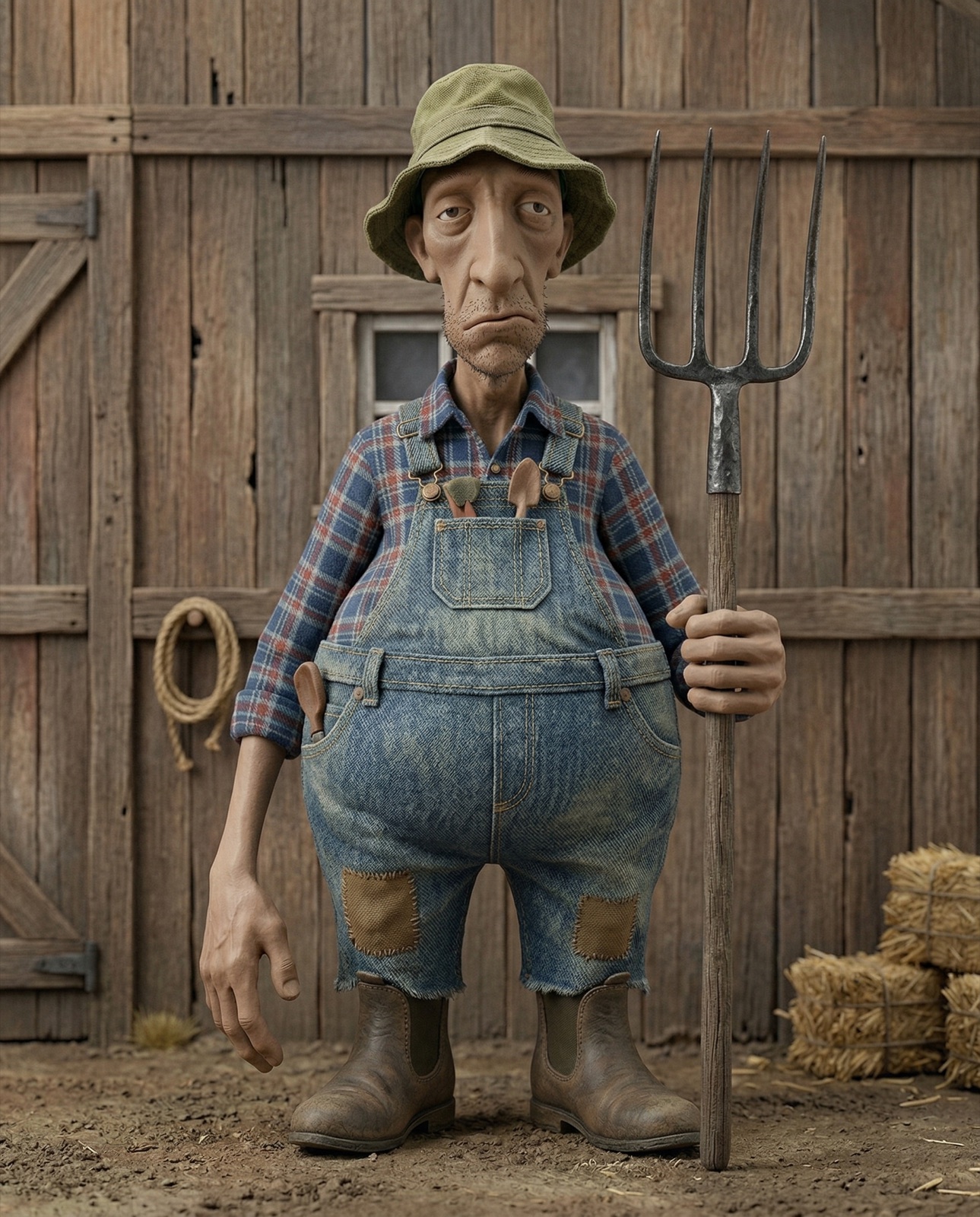
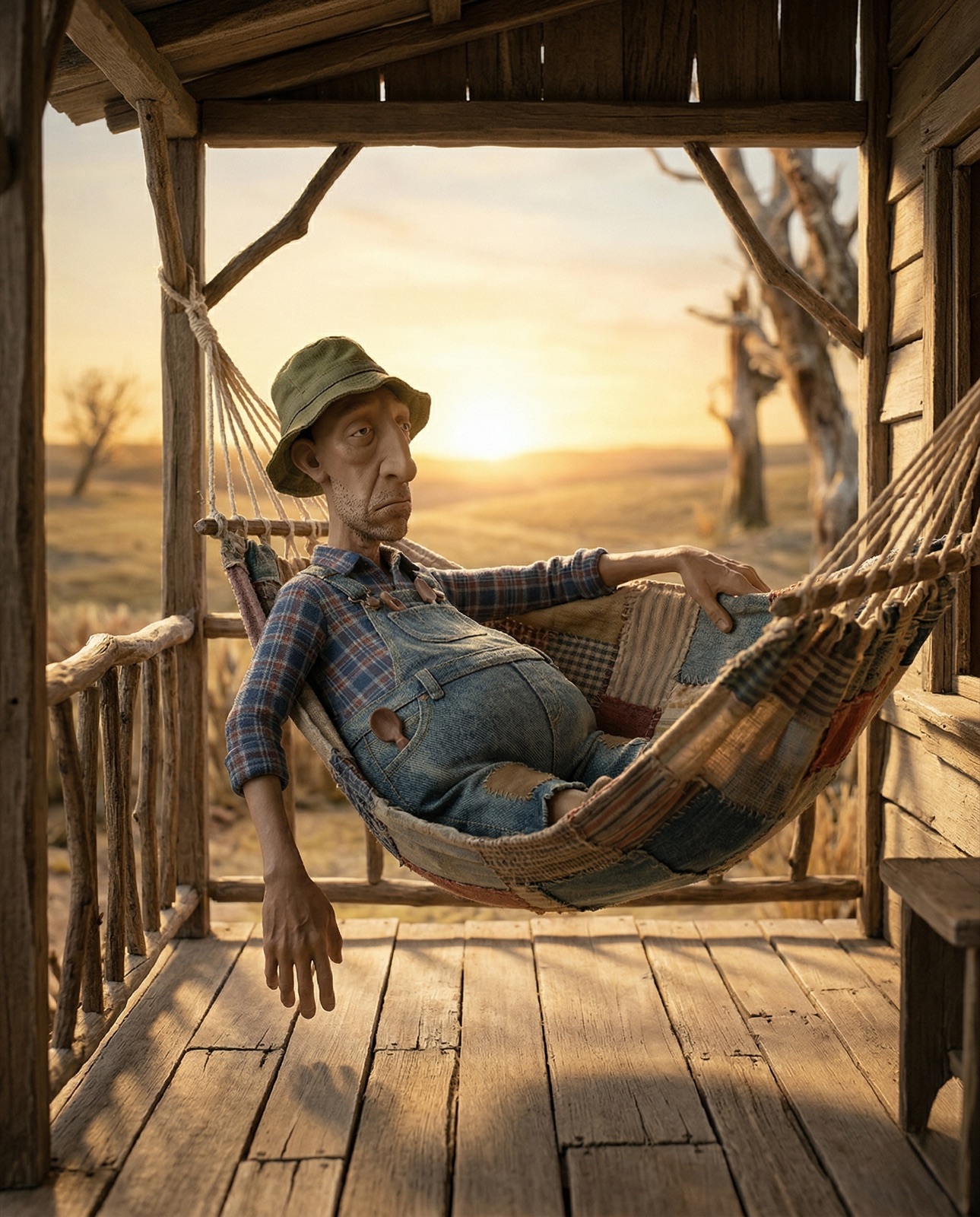
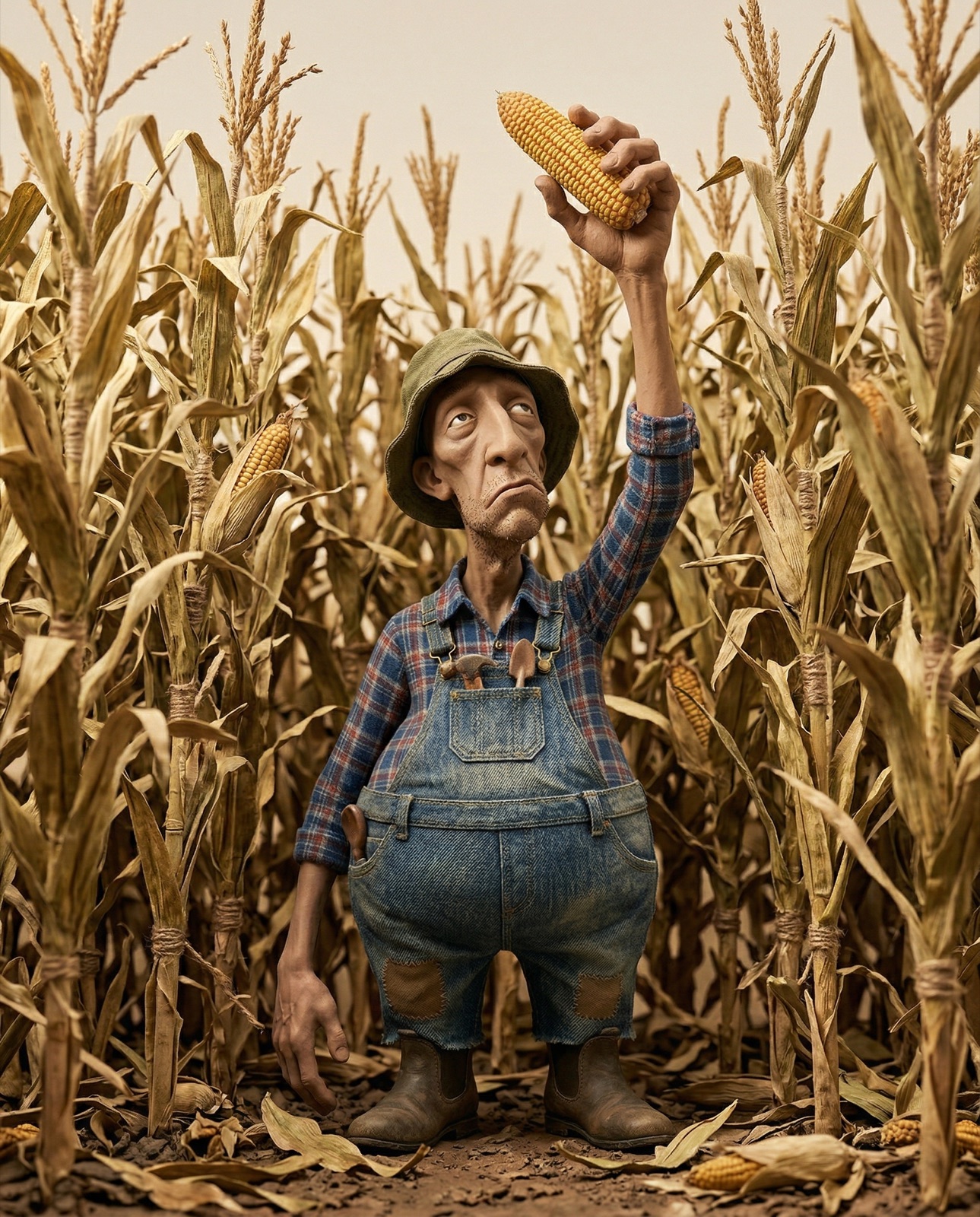
Every model hands you a first draft. The work is getting from it to the last frame. At every step here something is wrong — find it, and watch the prompt grow until the image is the one I wanted.
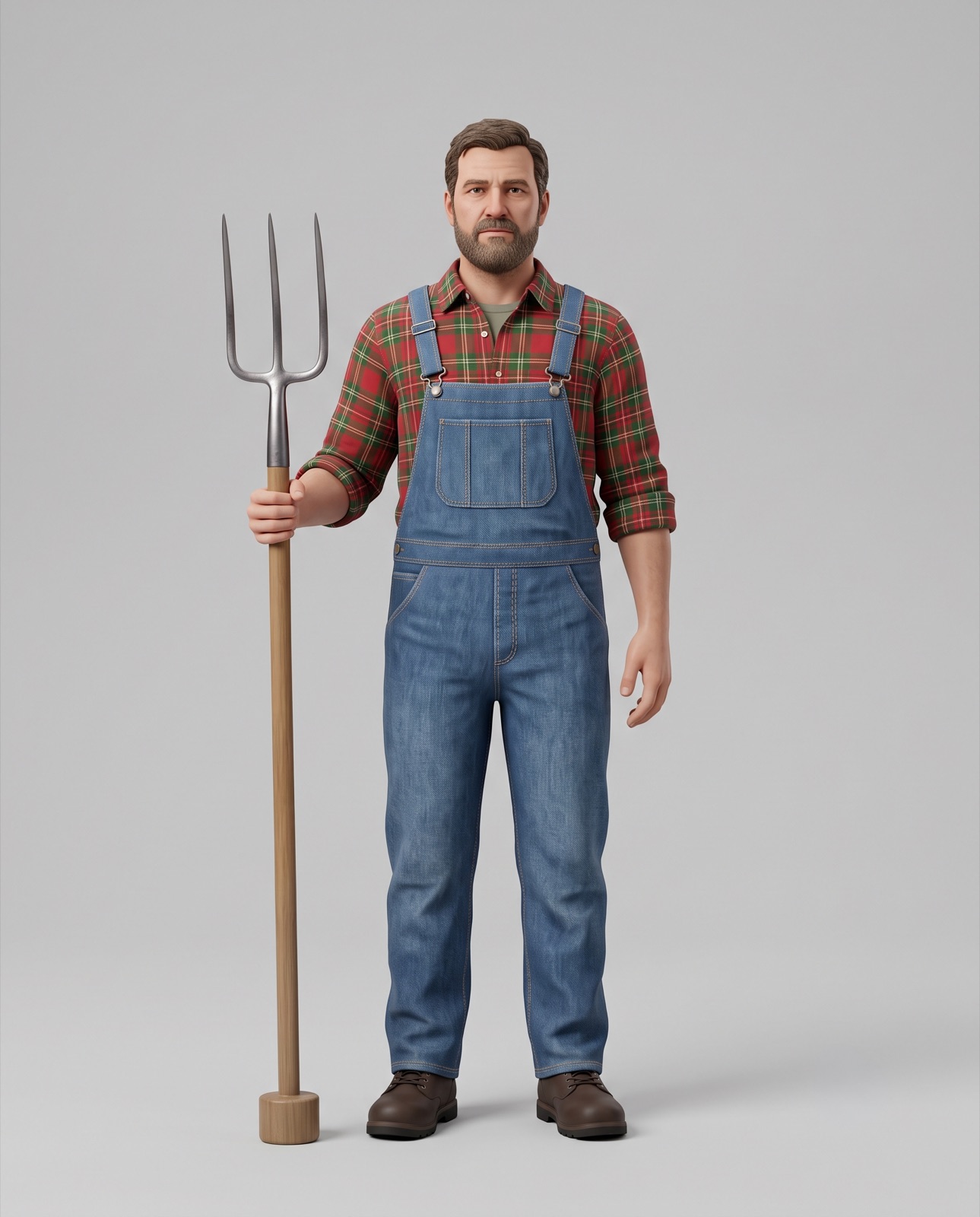
What's wrong with this image?
Same model at every step. The only thing that changed was the direction.
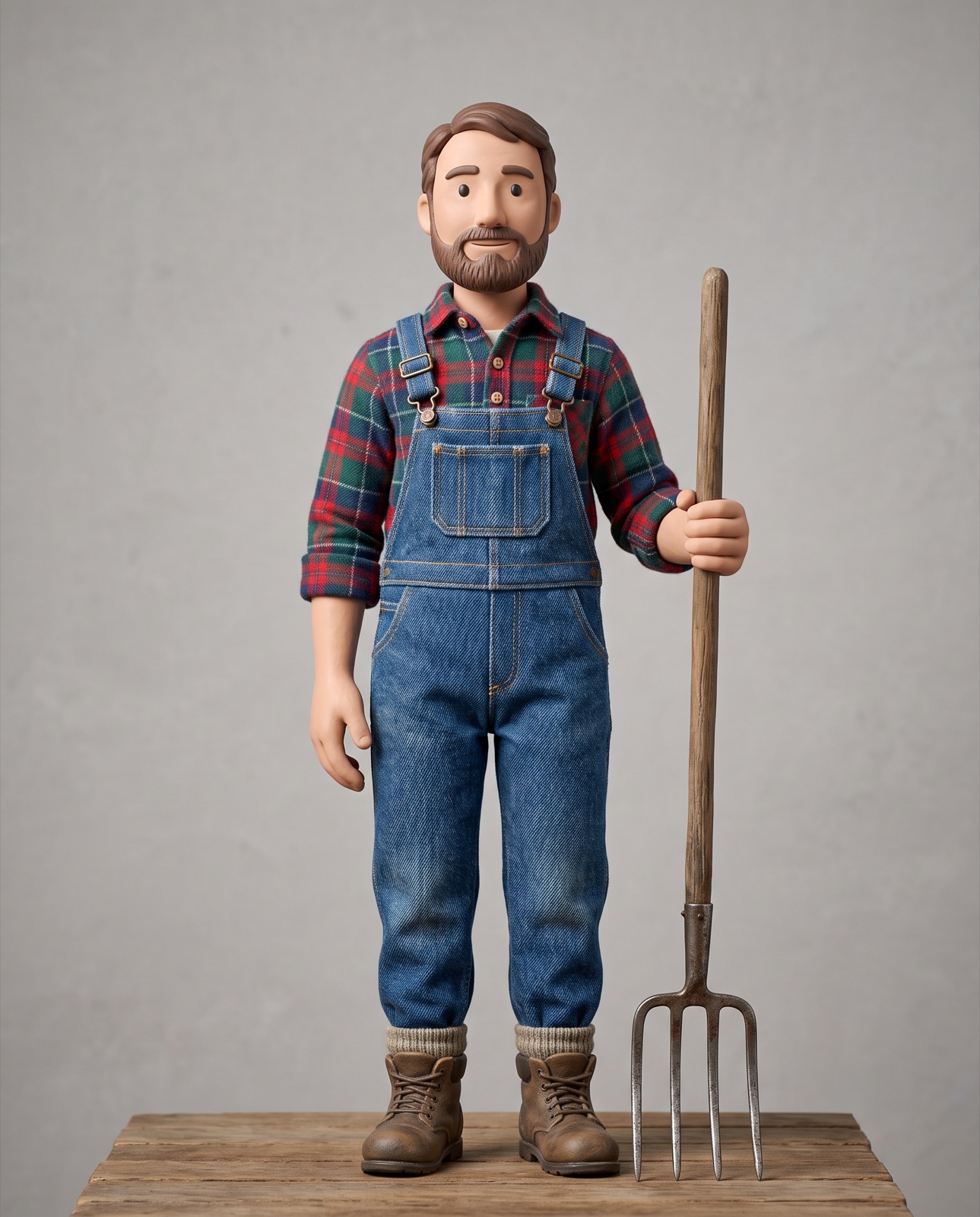
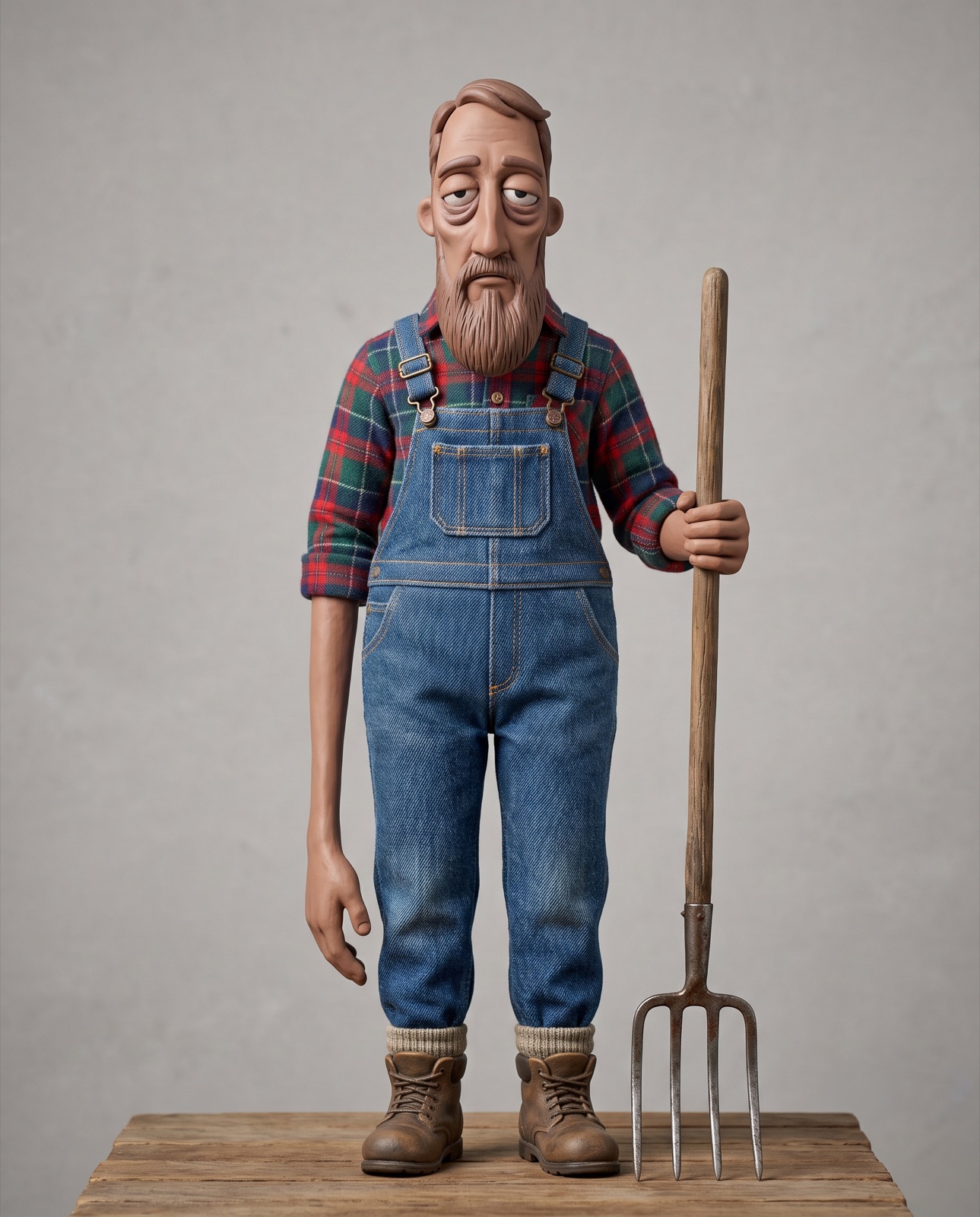
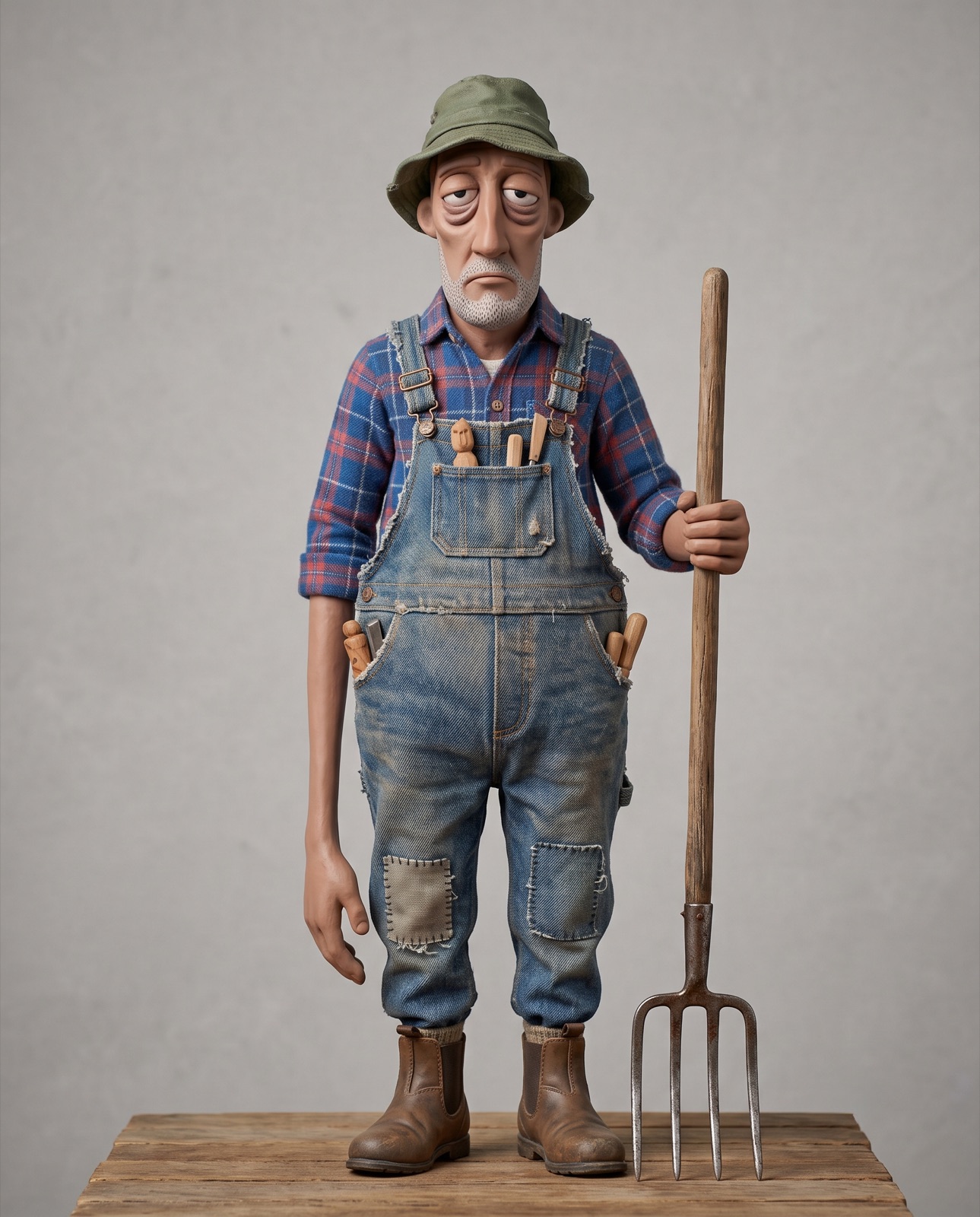
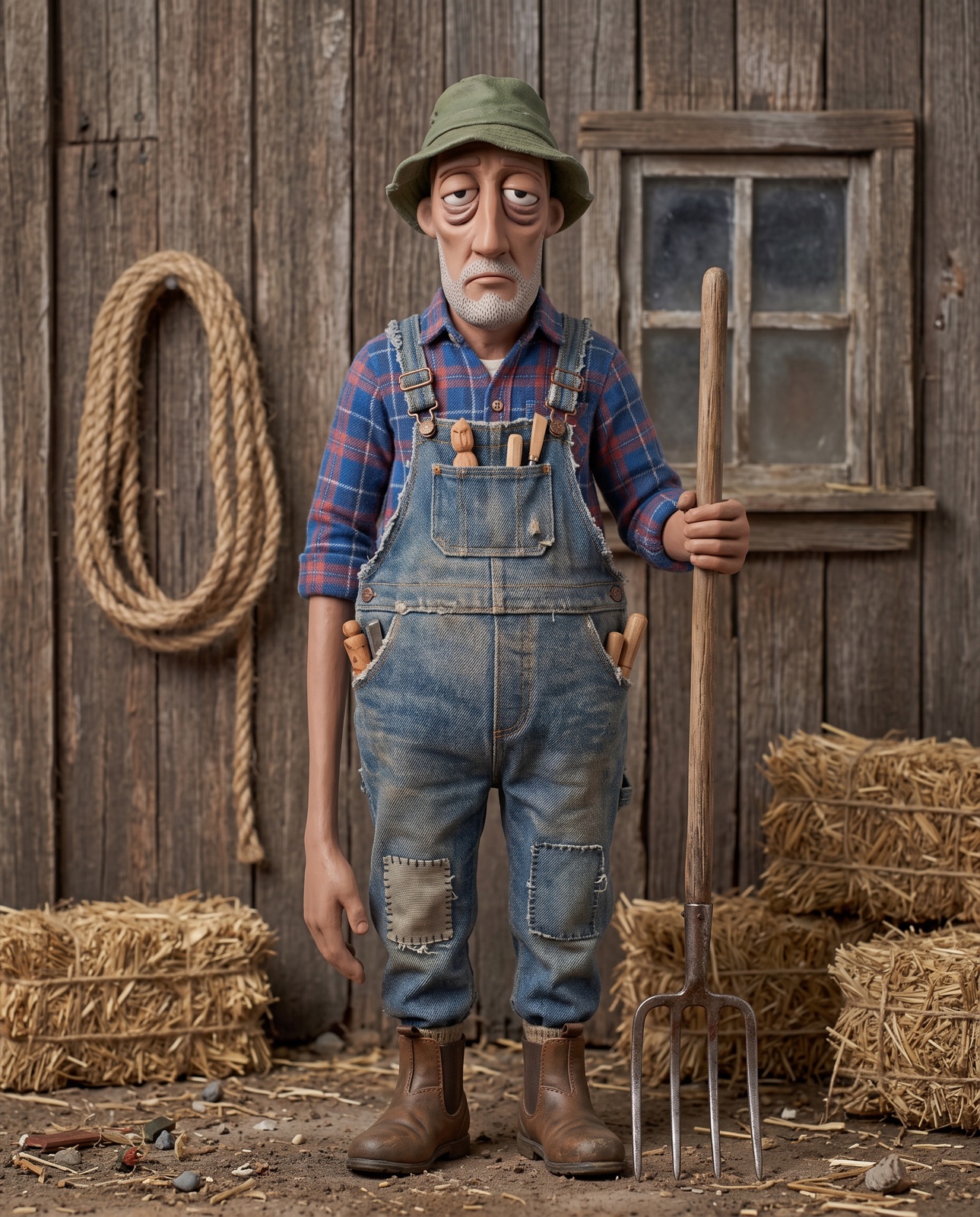
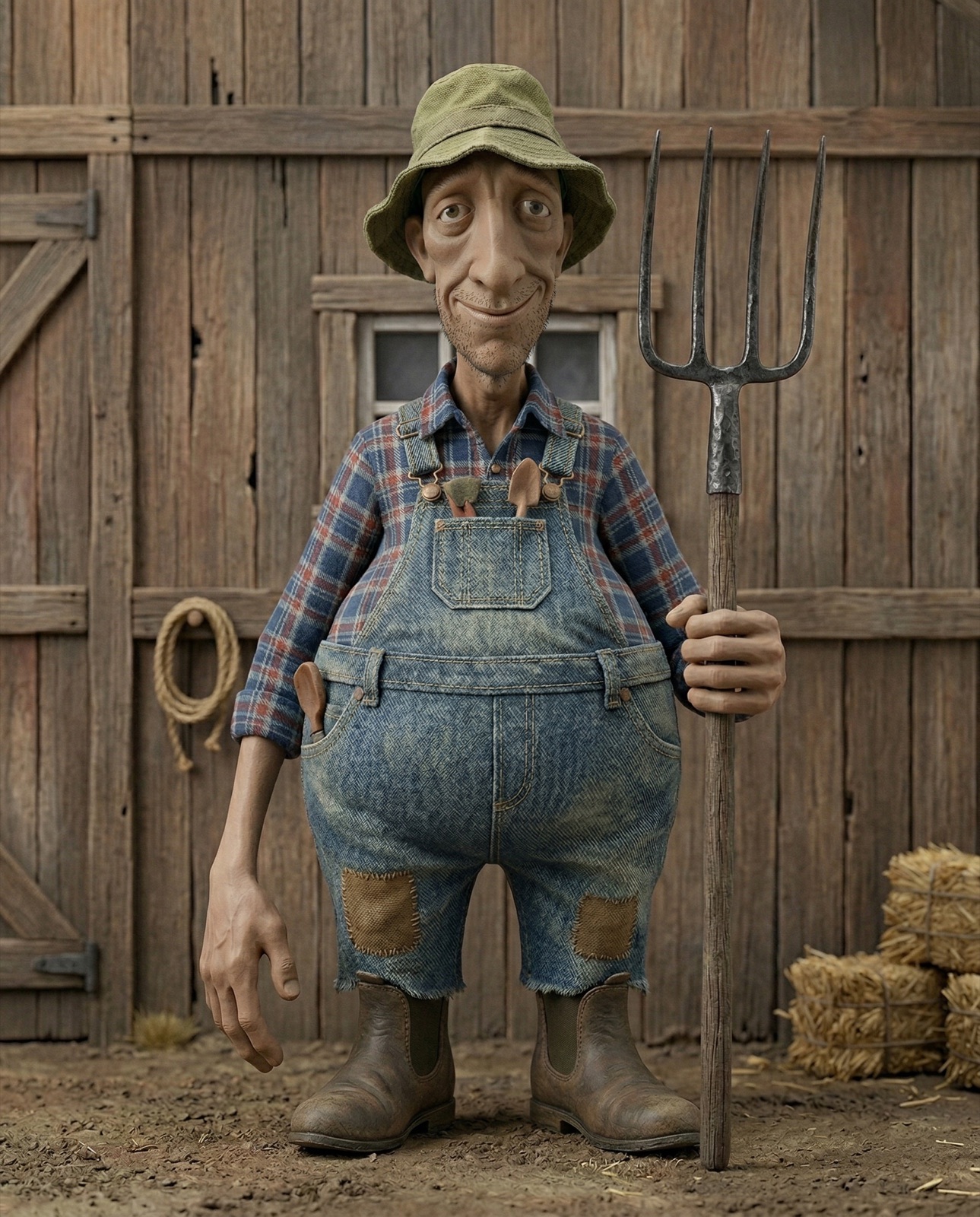
And once the character existed — he went to work.
#02
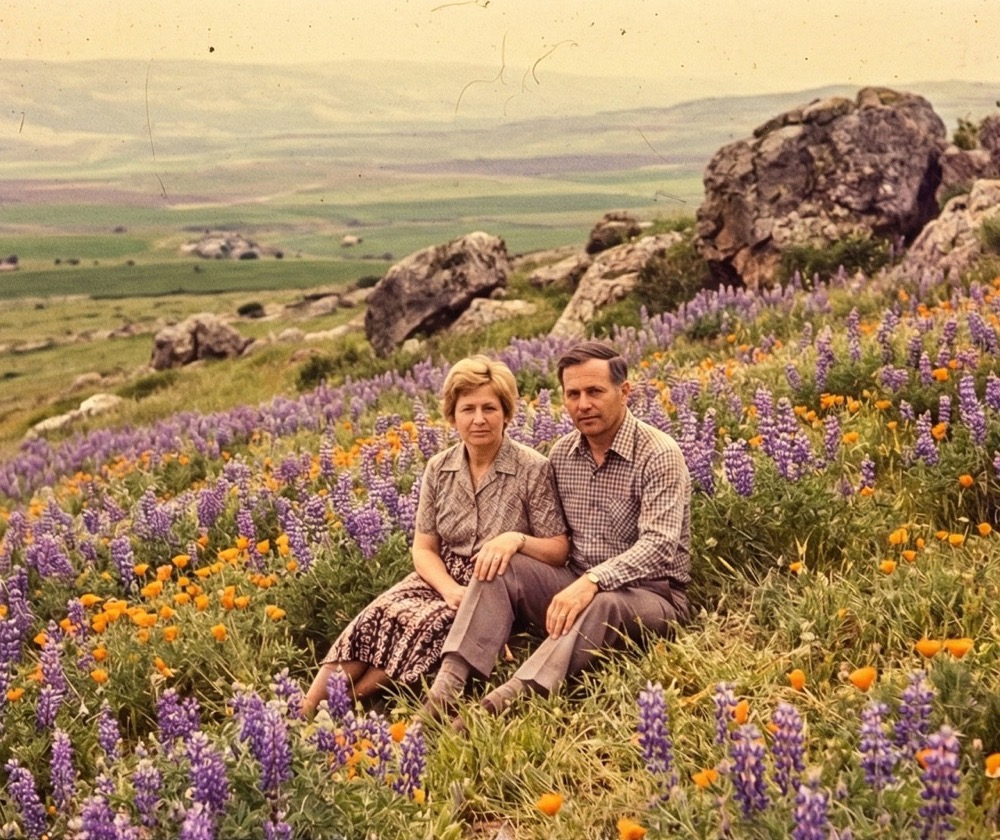
An invented family — Yoram, Miryam and their children — remembered through a carousel of forty-year-old slides that never existed. One fixed prompt shell manufactures the medium; only the scene inside the projection changes. Advance the carousel yourself and watch the same faces hold, frame after frame.
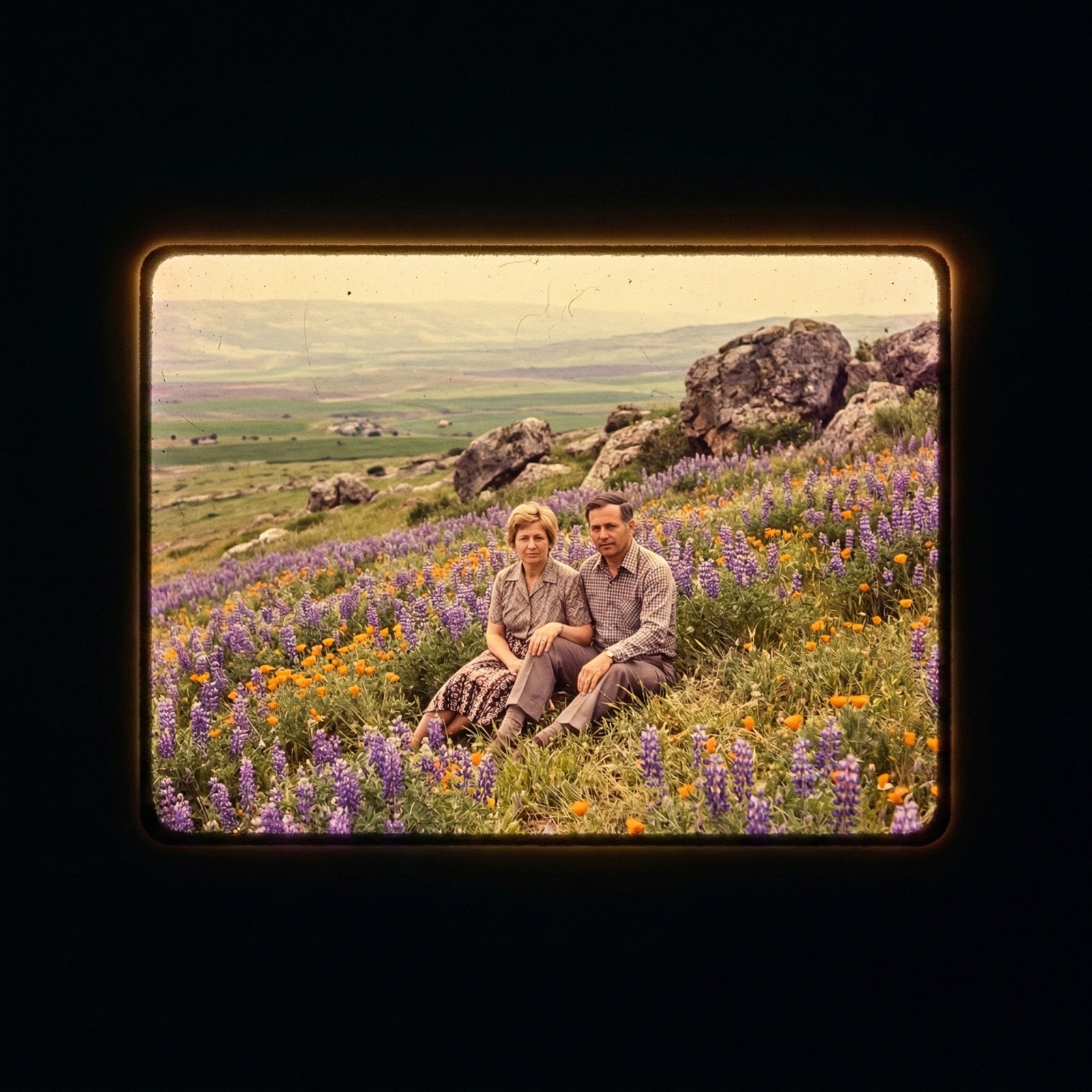
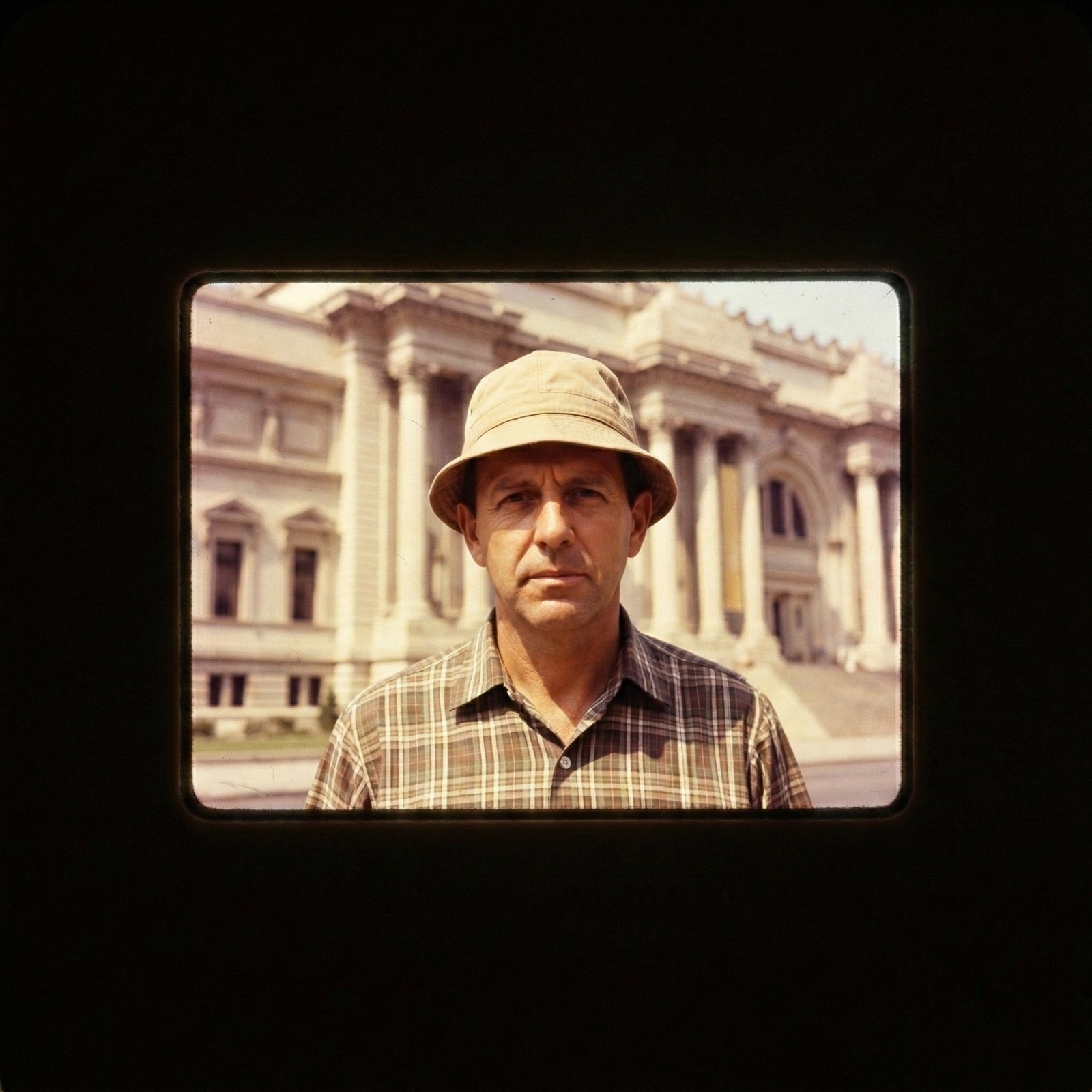
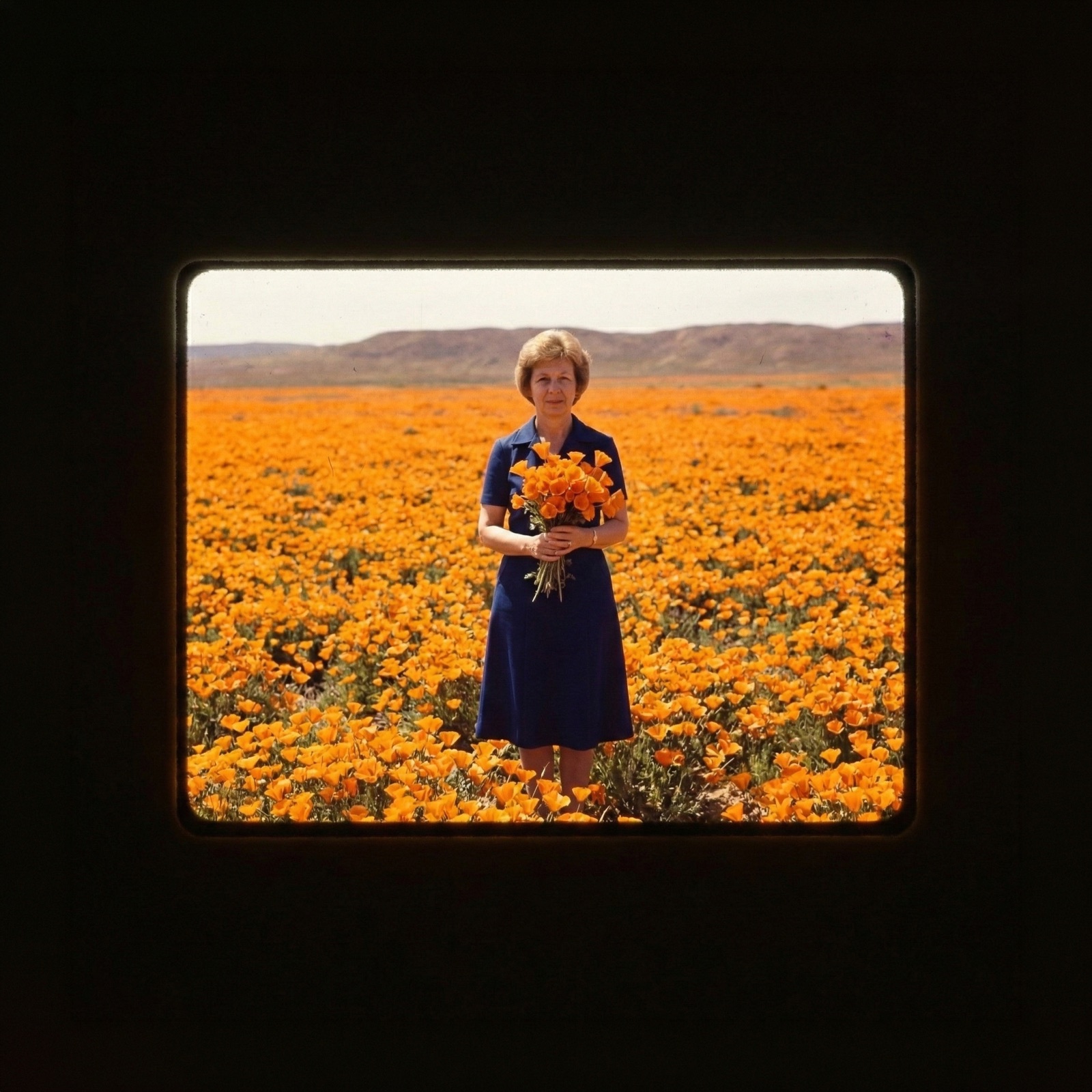
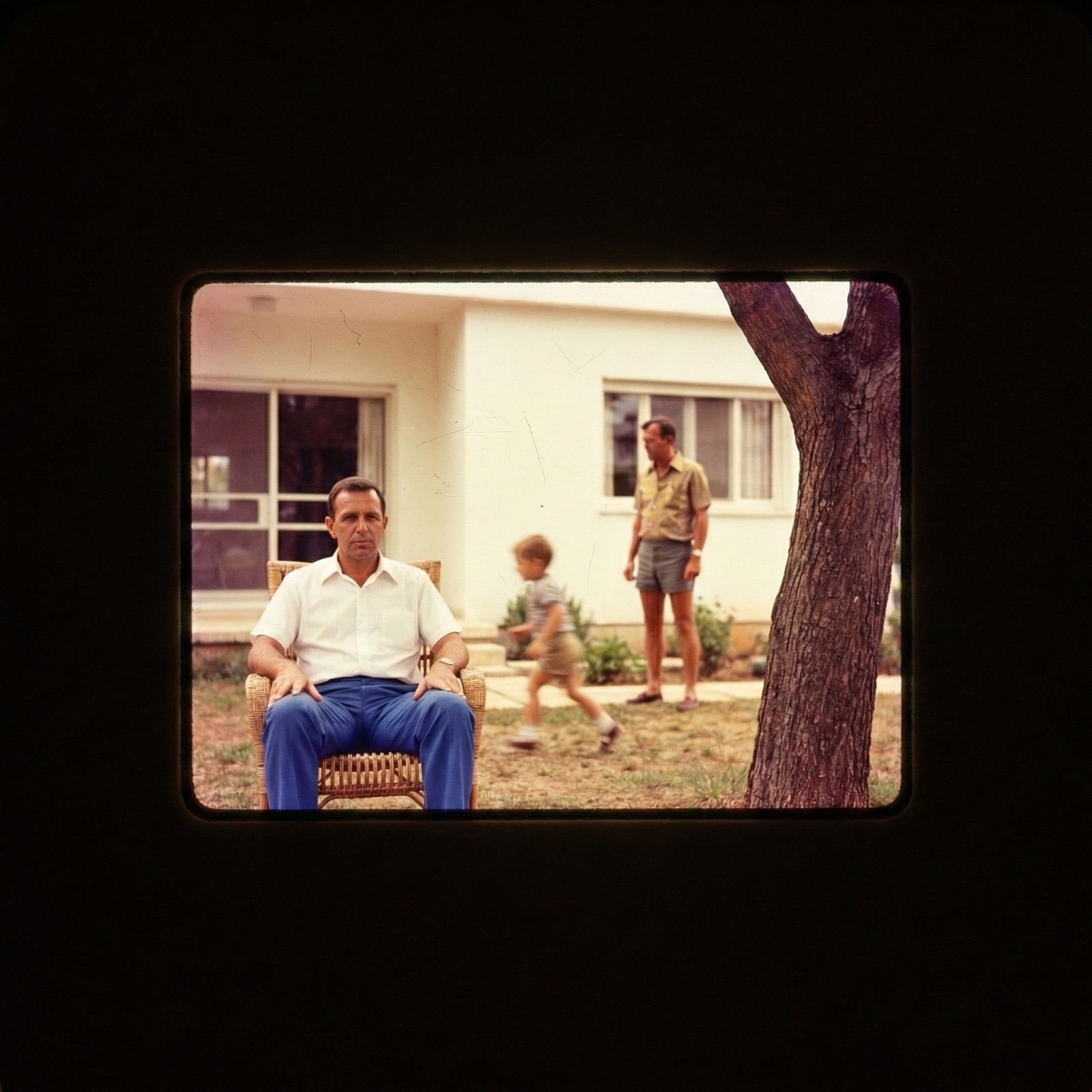
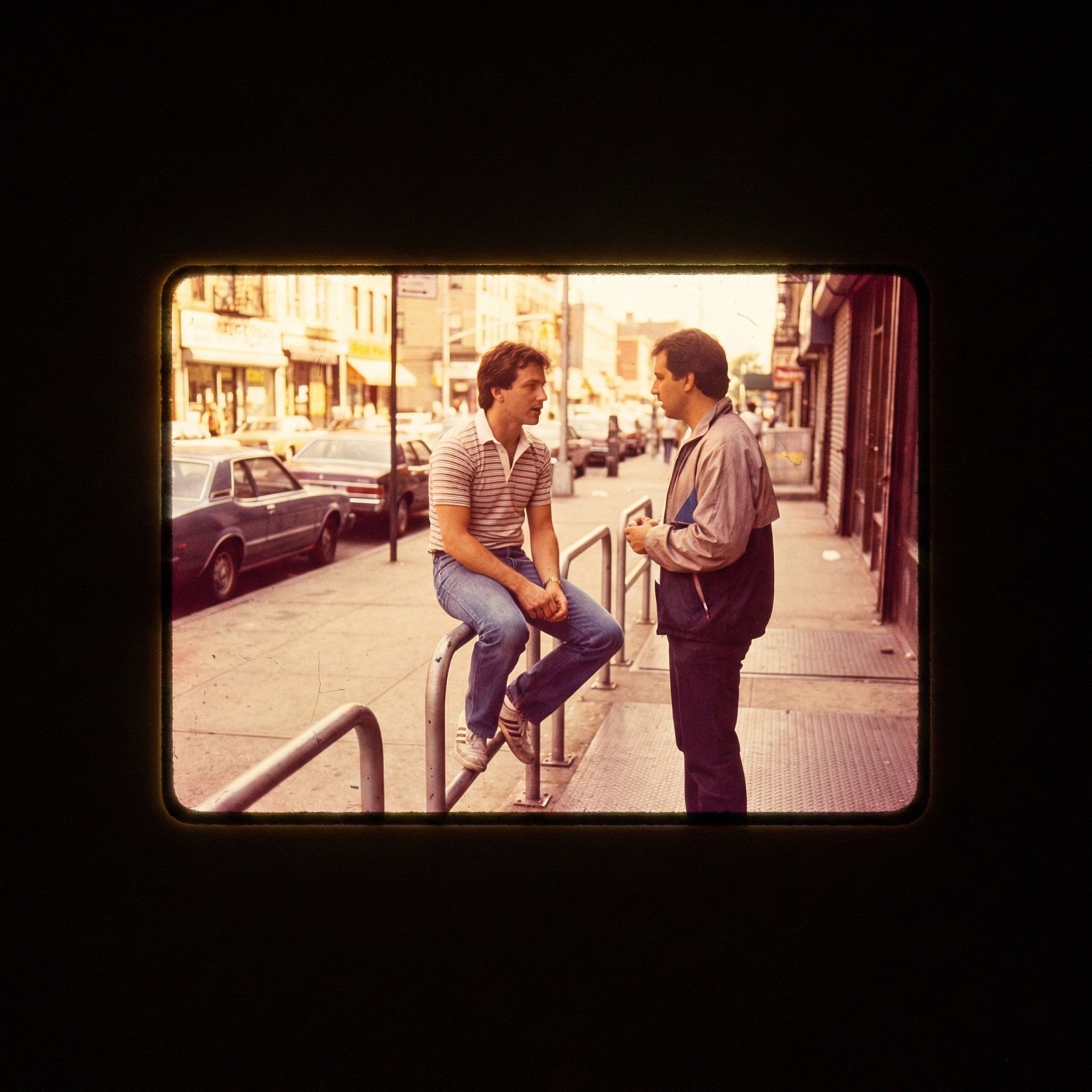
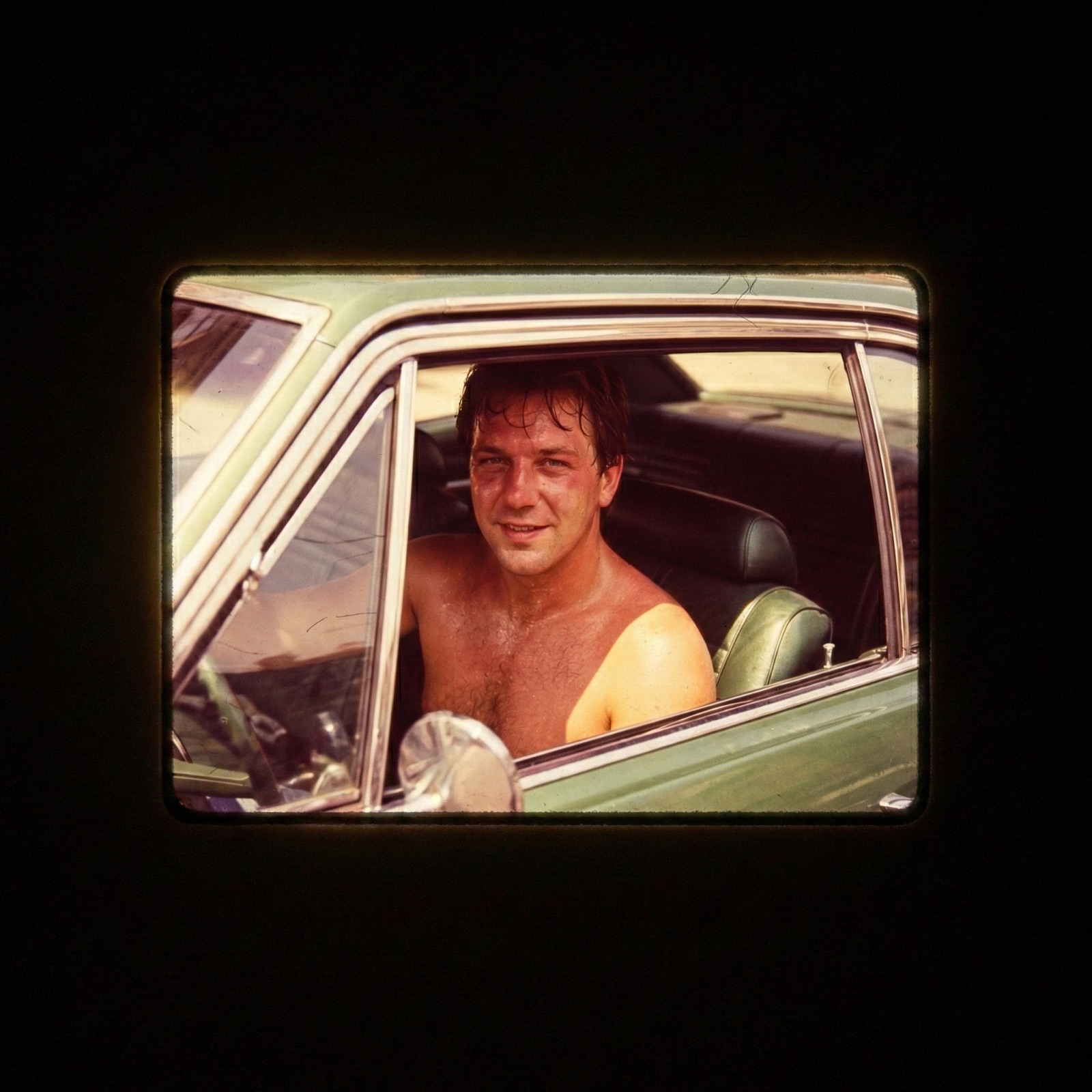
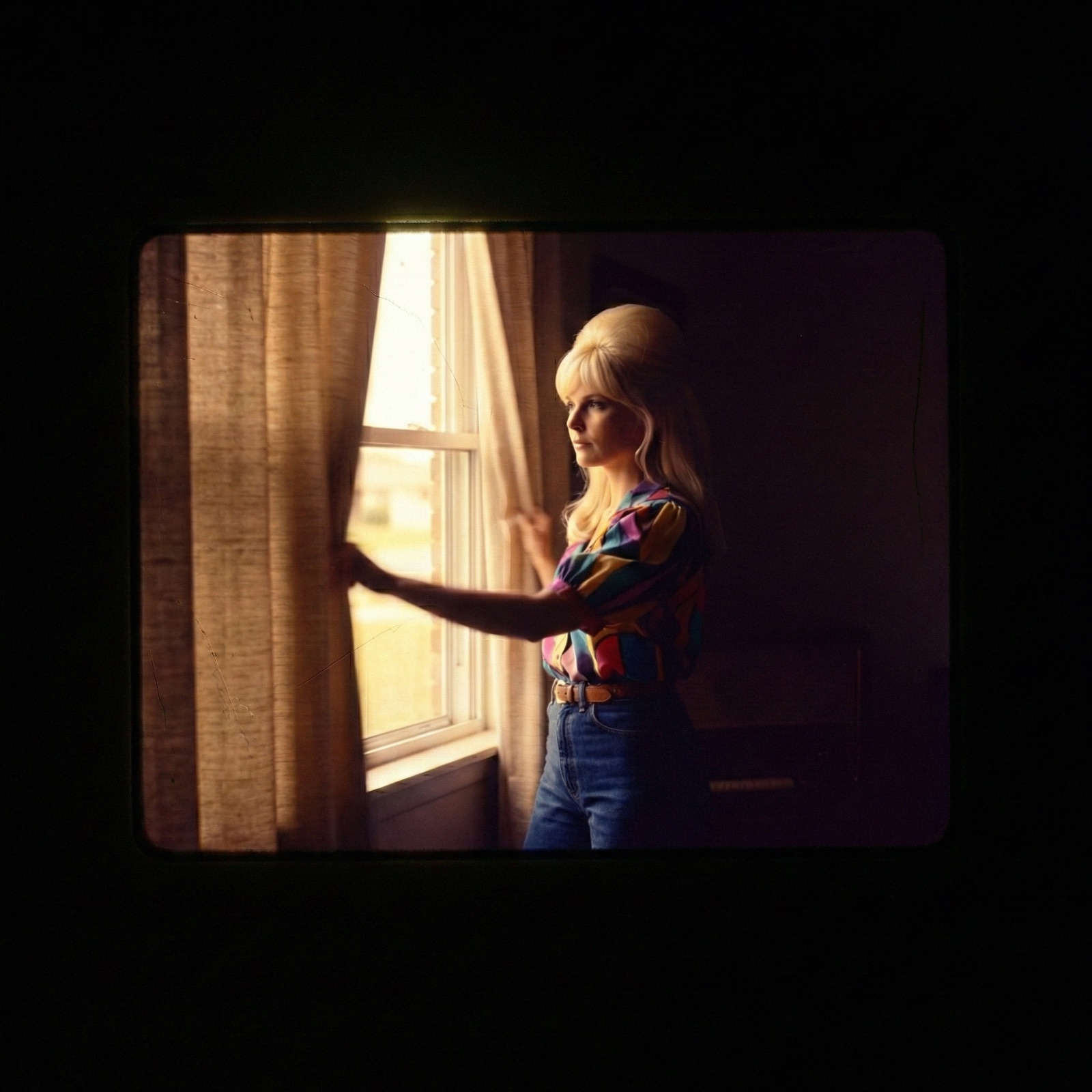
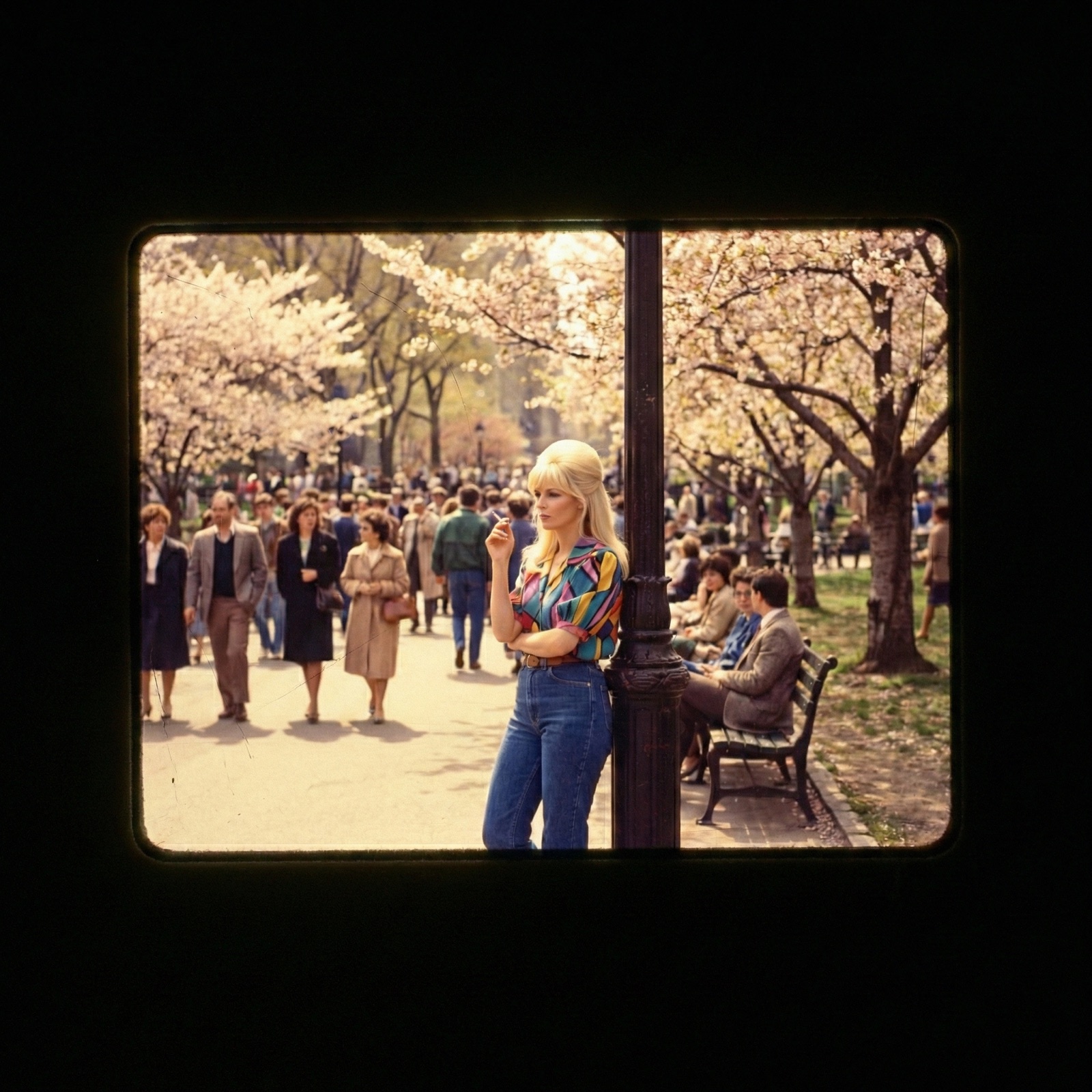
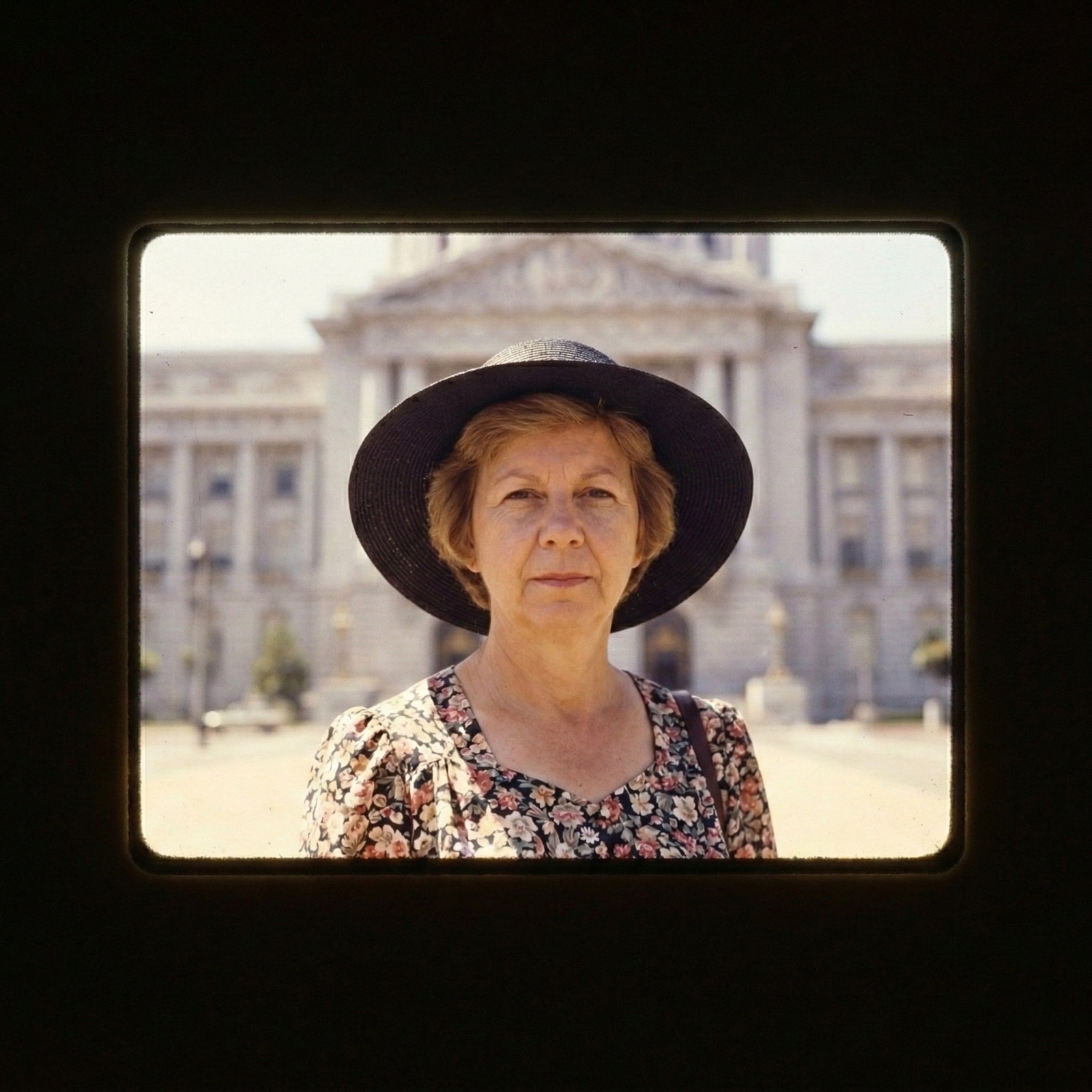
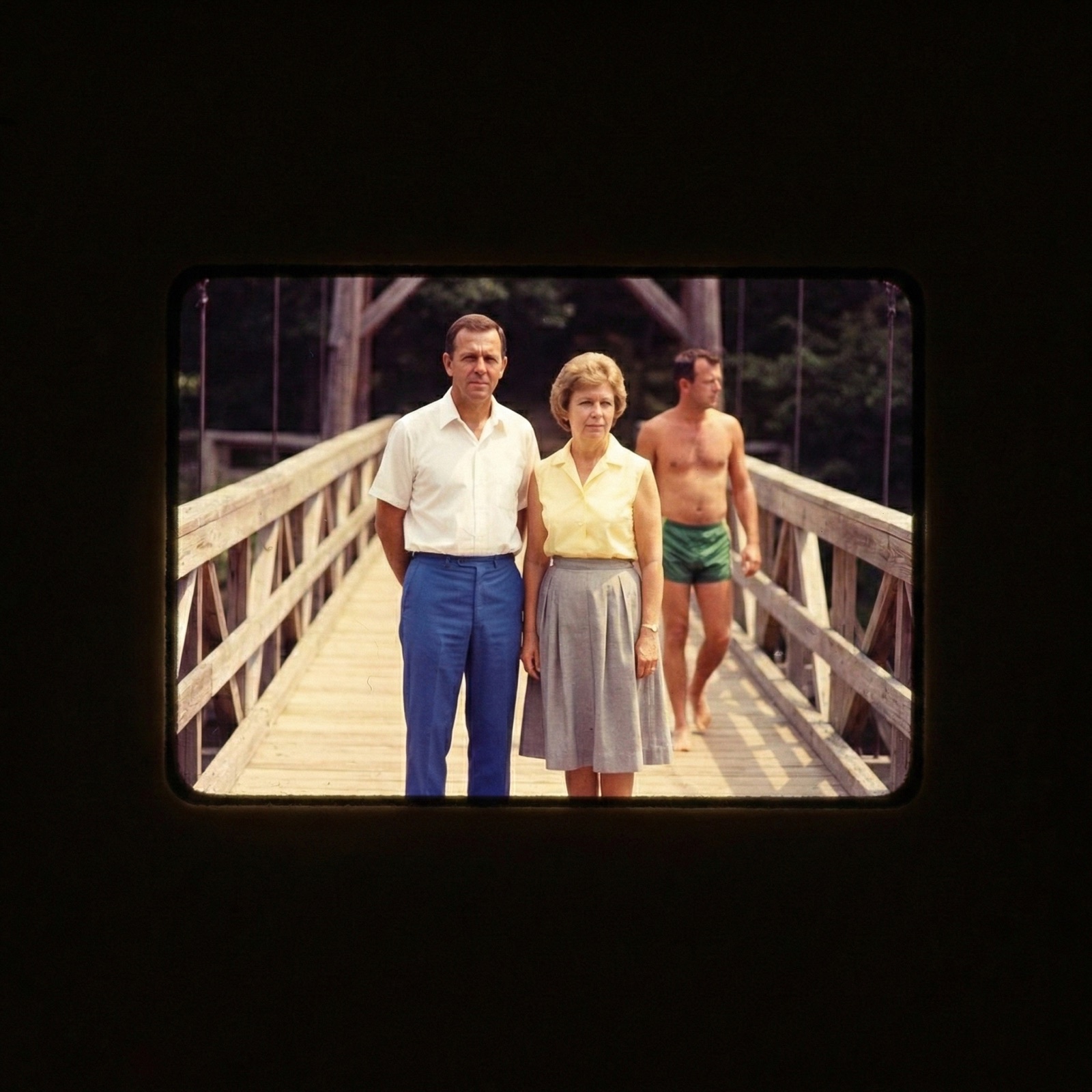
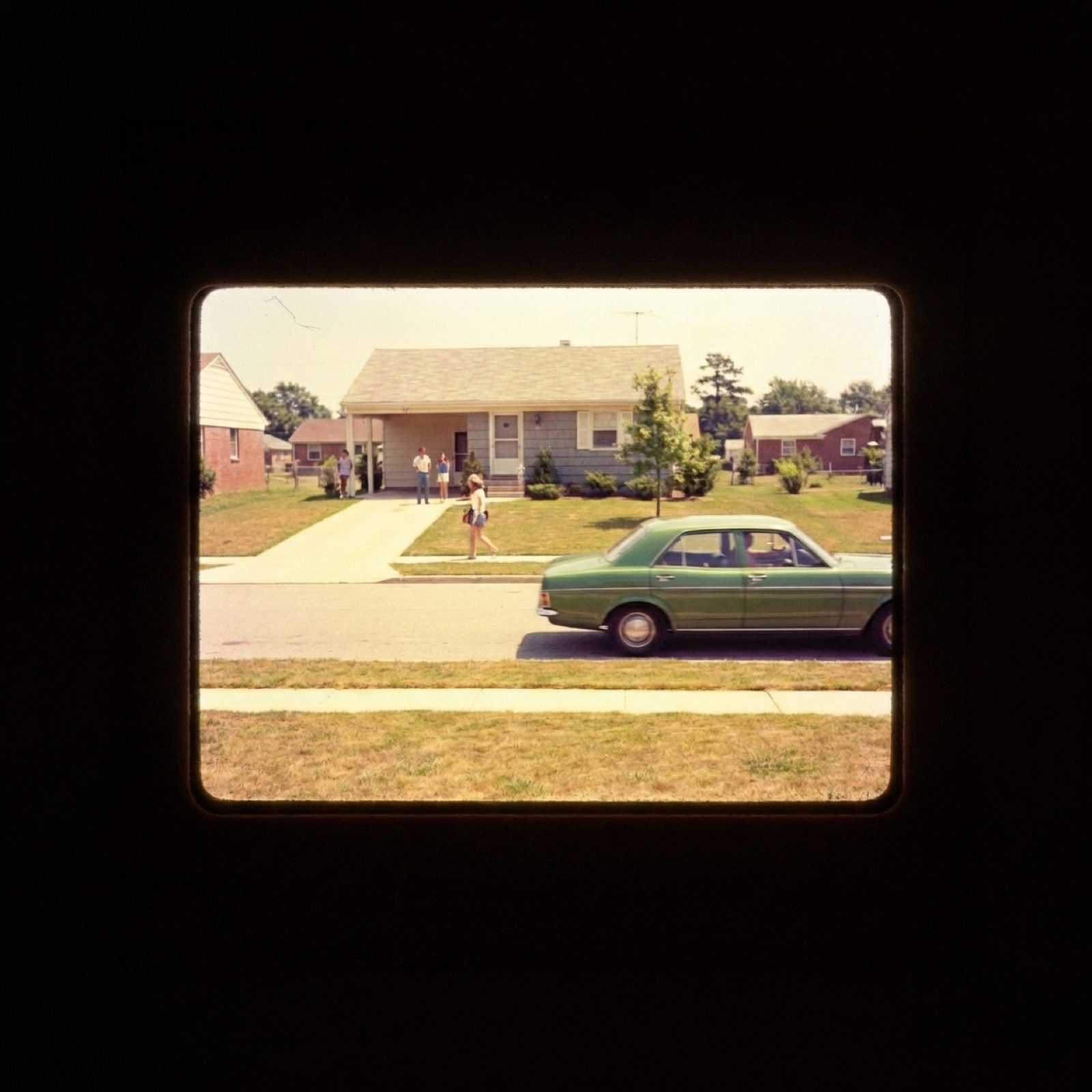
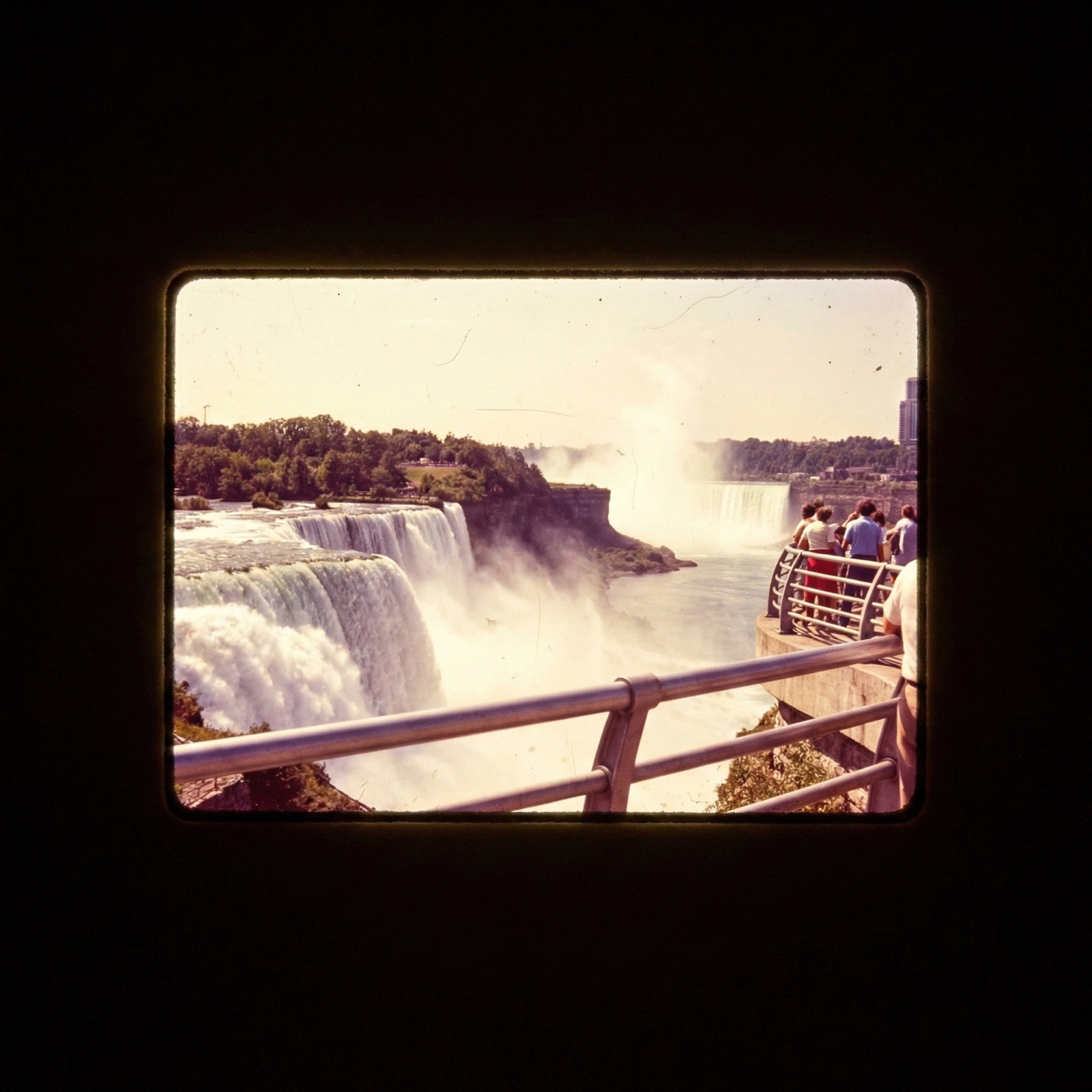
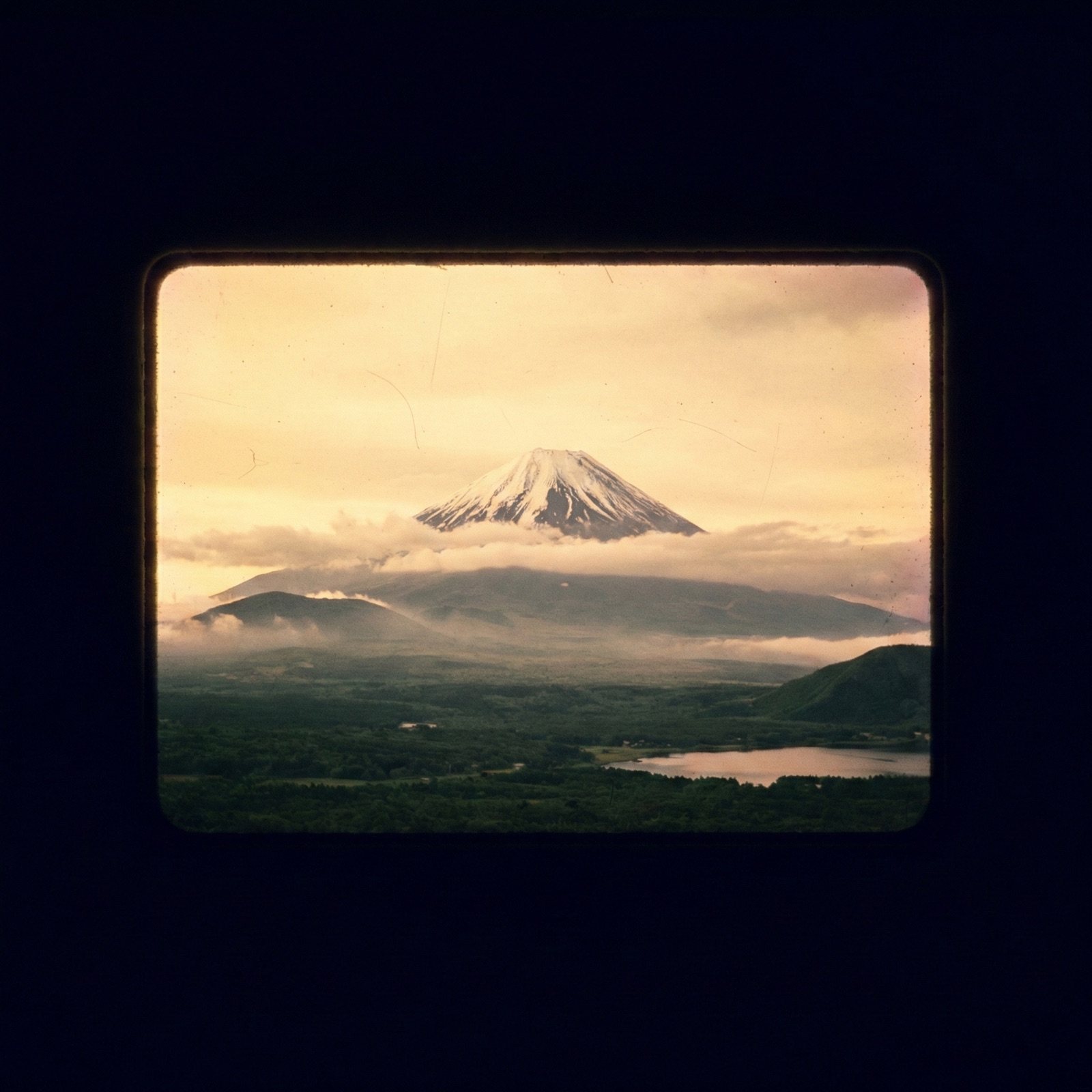
1 / 13
click the screen, the arrows, or use ← → on your keyboard
Square format photograph. The frame is mostly dark, almost black… a sharply focused 4:3 slide projection appears as a glowing rectangle… Authentic 40-year-old Kodachrome aging, warm yellow-orange cast, subtle magenta shift, natural analog film grain.
Inside the projection: [the only part that changes]
#03
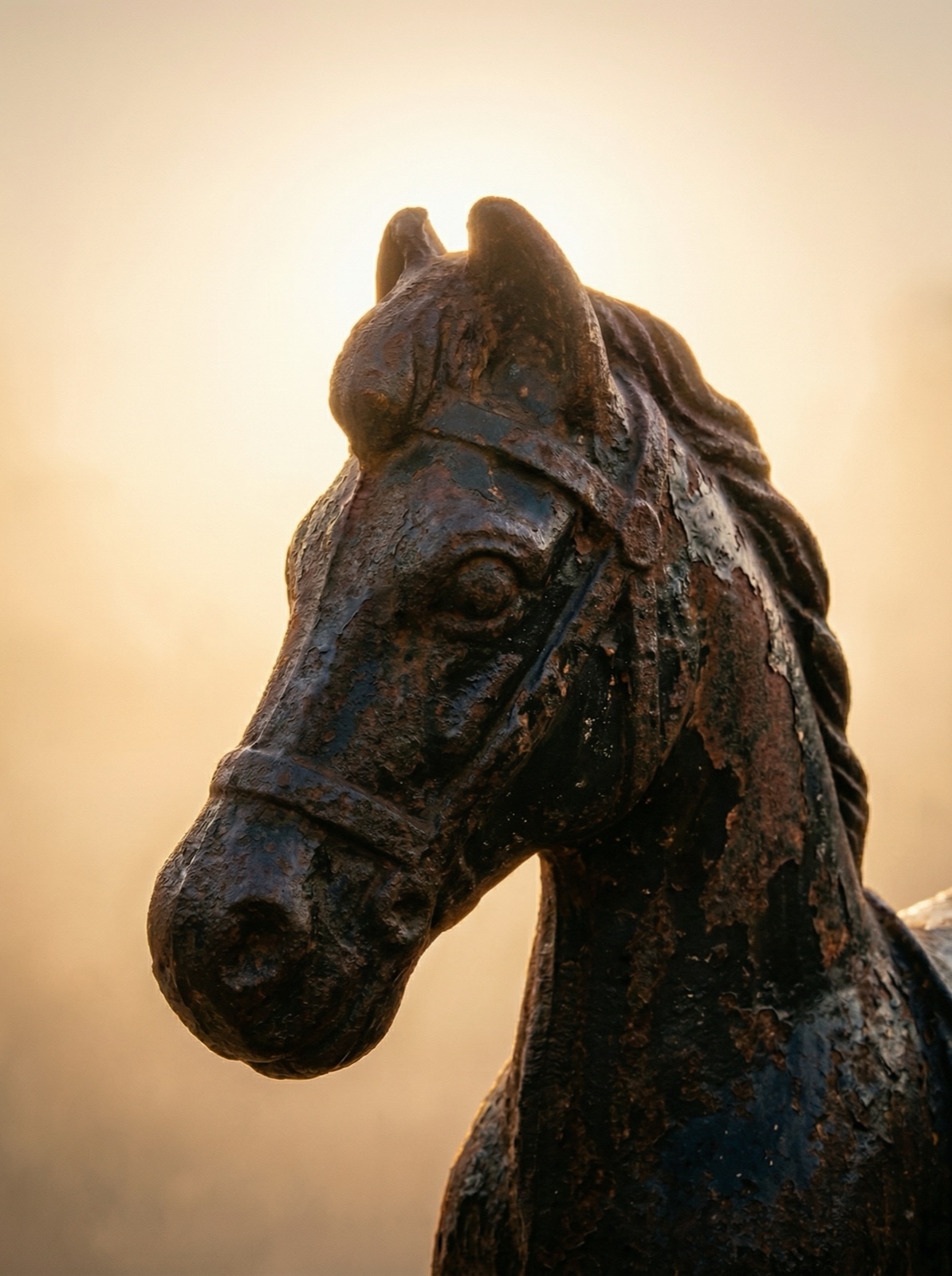
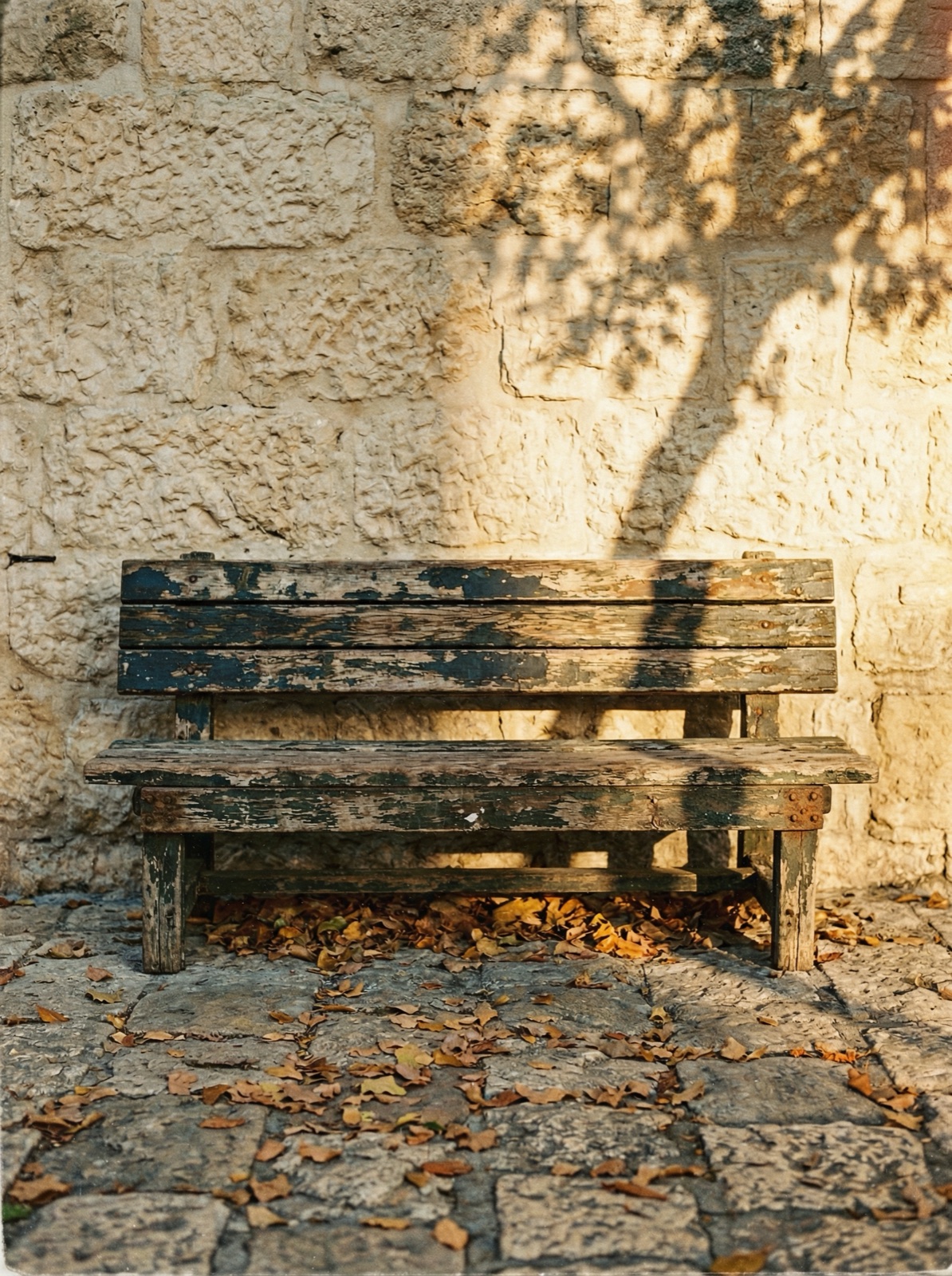
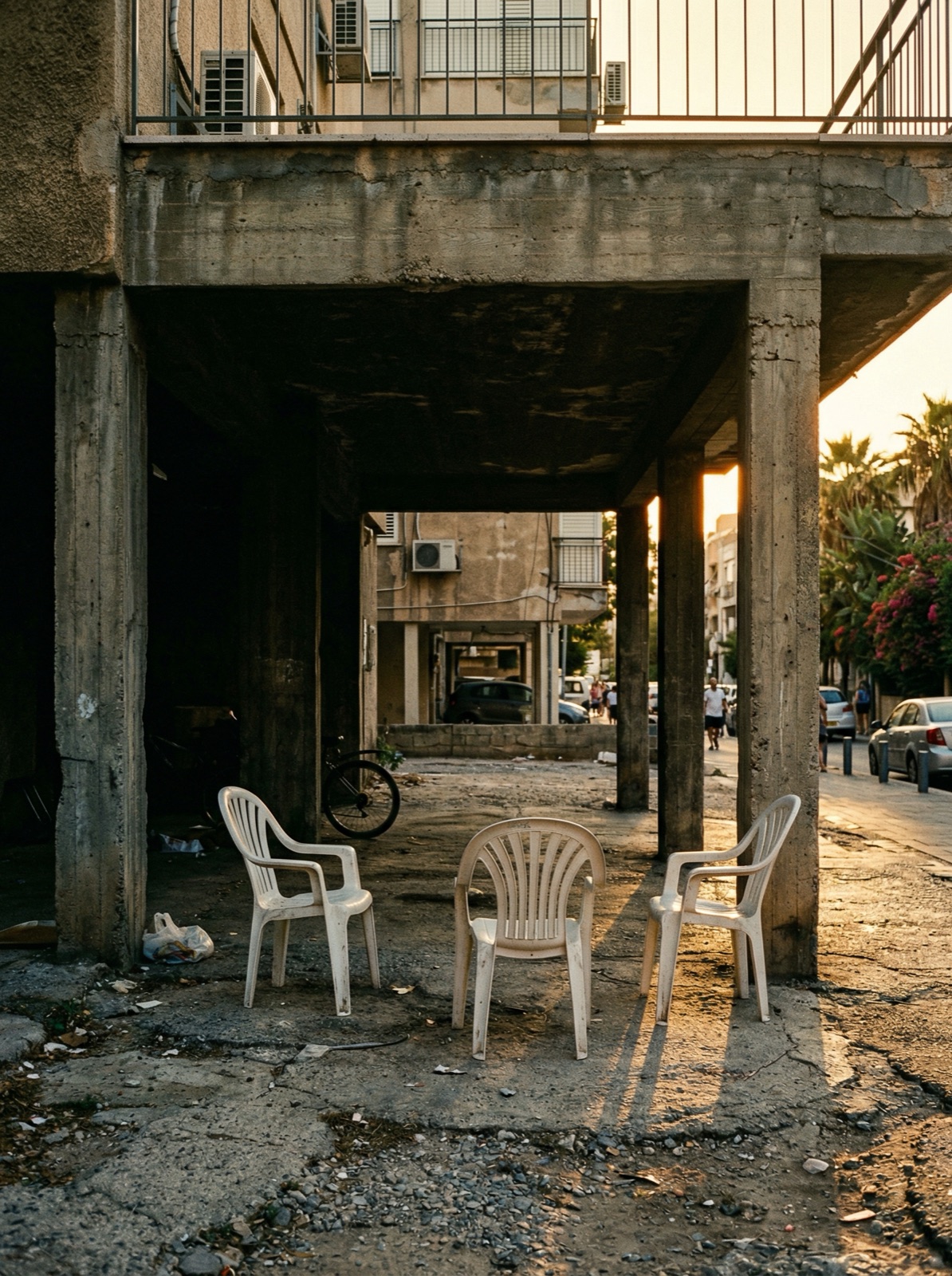
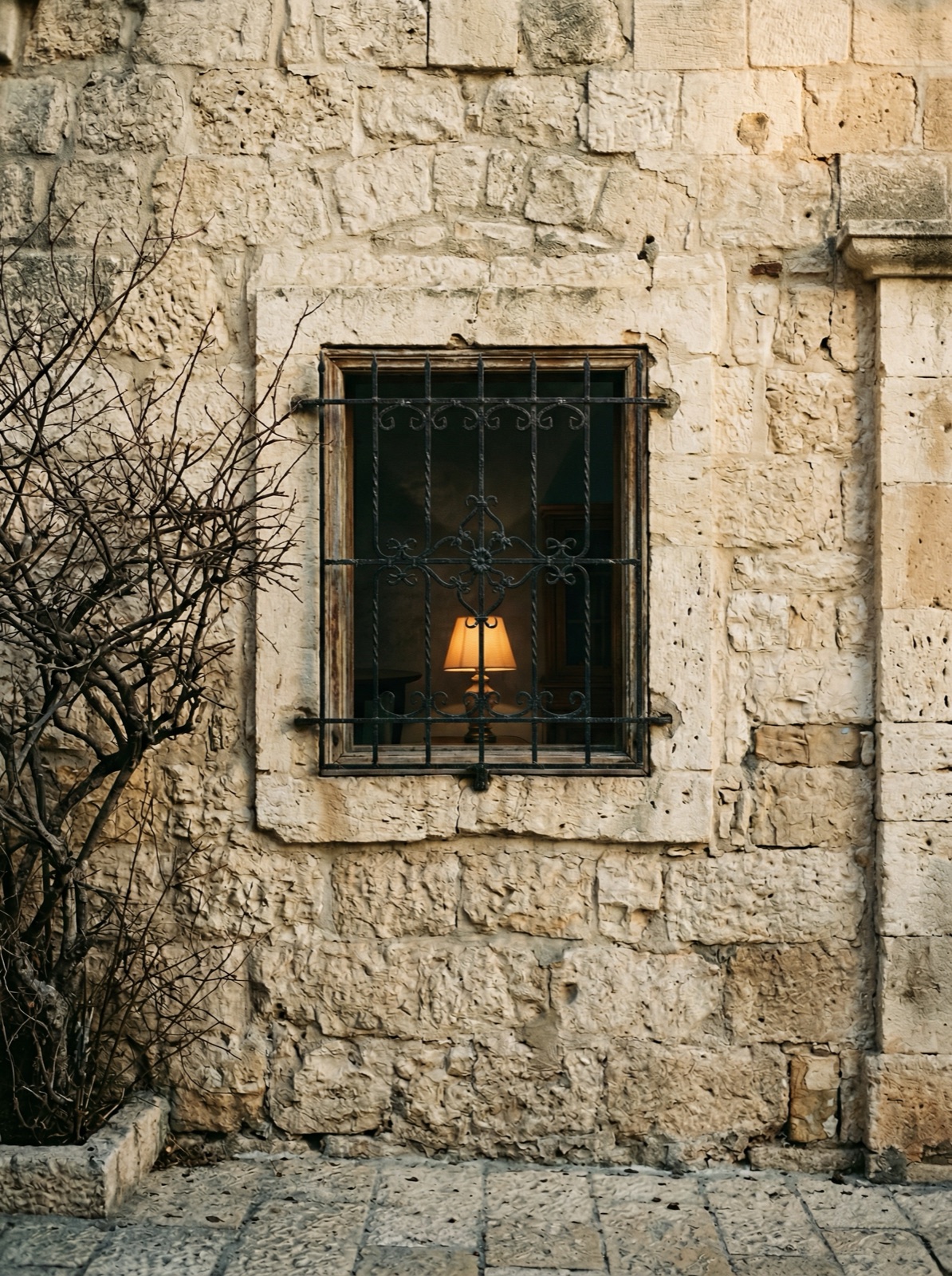
A remembrance series built on absence: no people, no archives — only the objects that stay behind. My own reference photos of Israeli textures, one strict visual system, and a hard edit. Scroll — the deck deals itself.
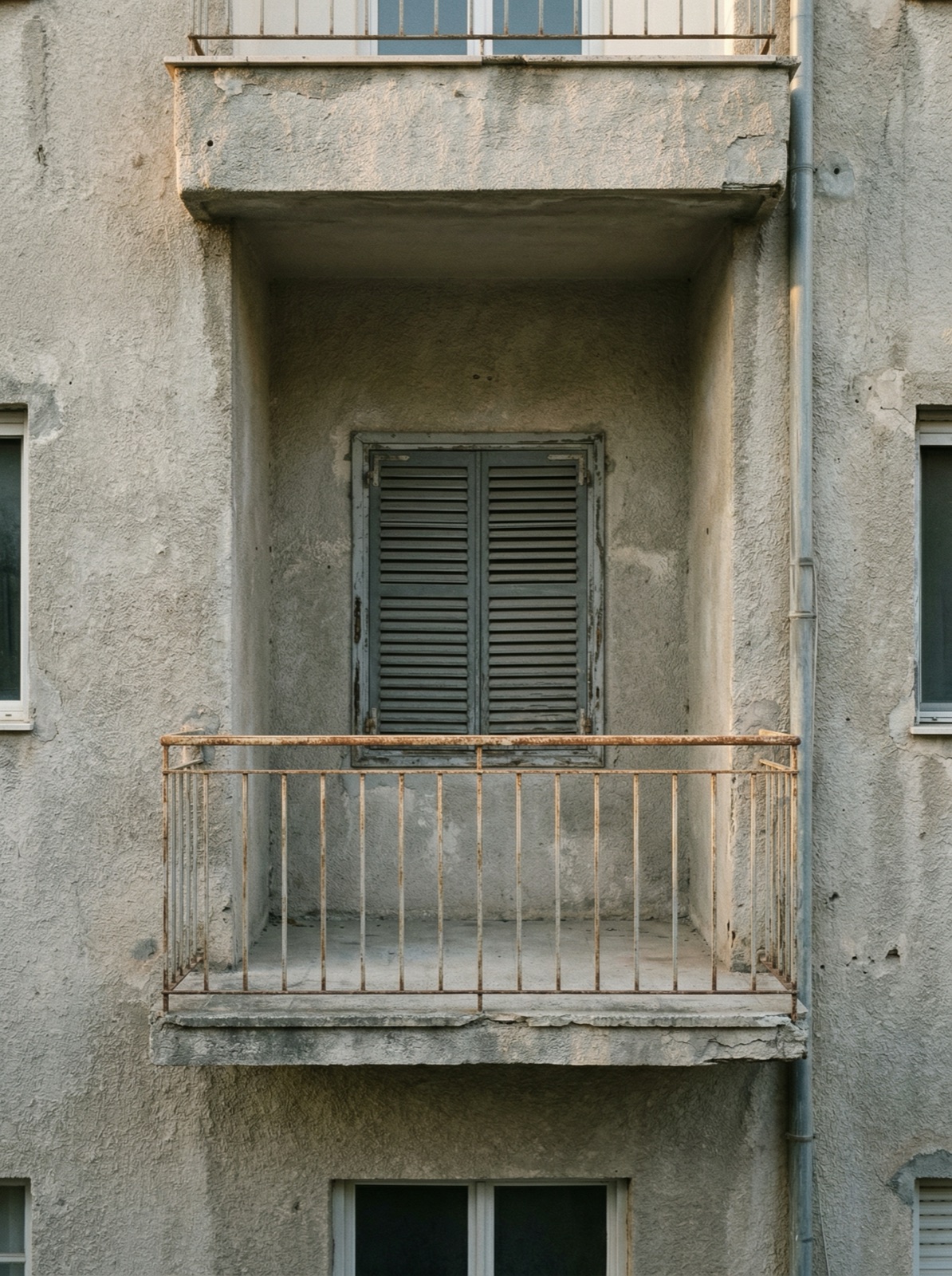
1 / 5 · scroll
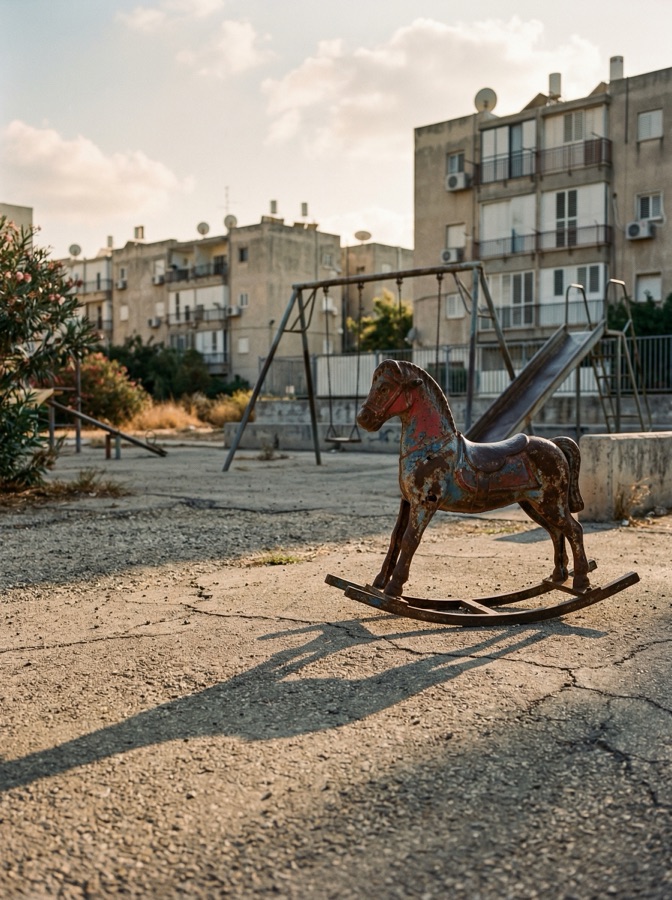
Extreme close-up of the face of a large rusted iron rocking horse in an Israeli playground — the sun positioned directly behind the horse's head creating a strong halo of light around its silhouette, lens flare bleeding into the frame… Analog film photography style with visible grain, heavy contrast, dramatic and quietly haunting mood.
The cutting room
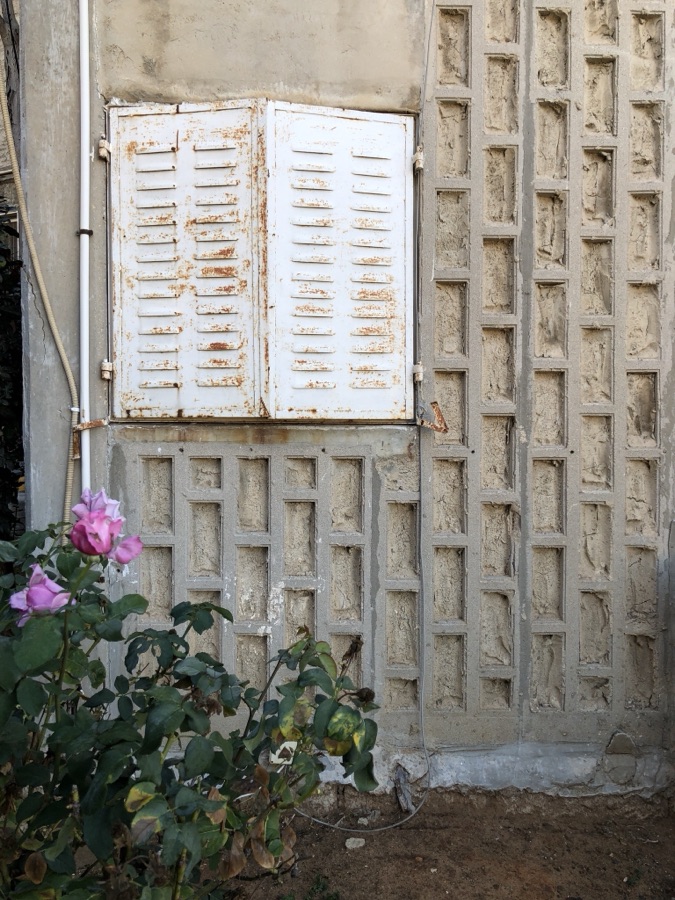
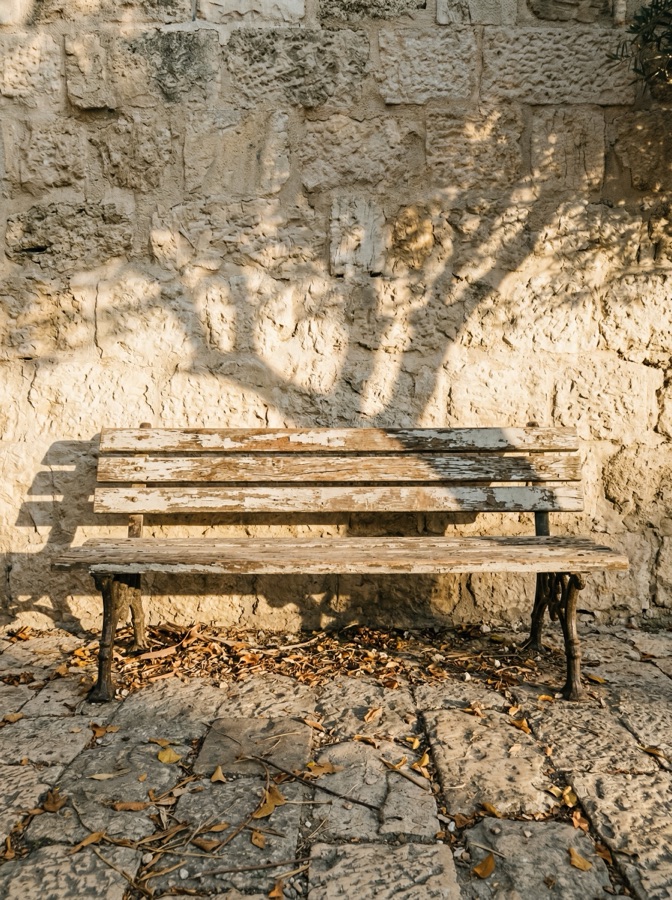
Direction is also what you say no to. The series started from my own photographs and lost most of its frames on the way.
#04
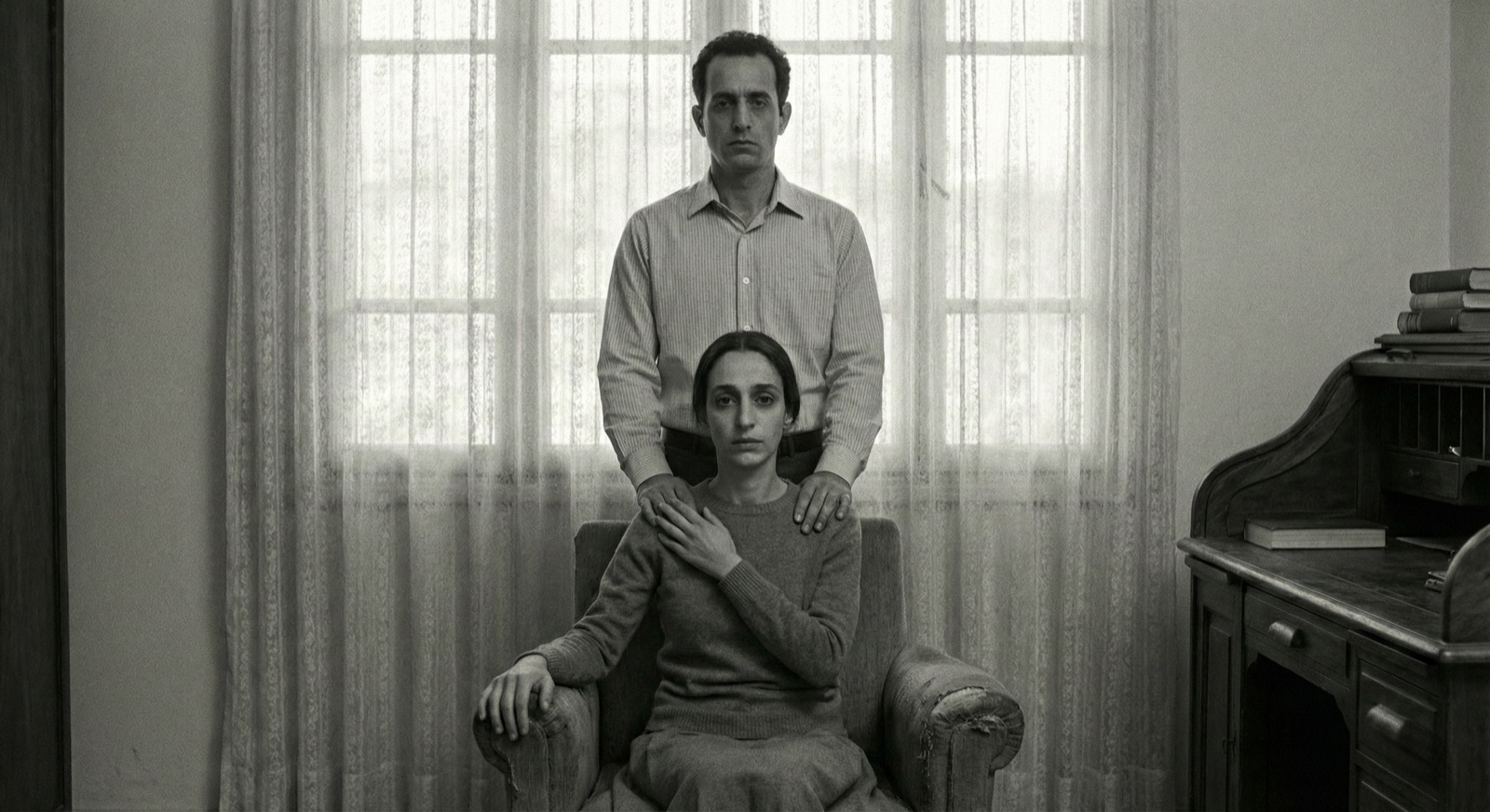
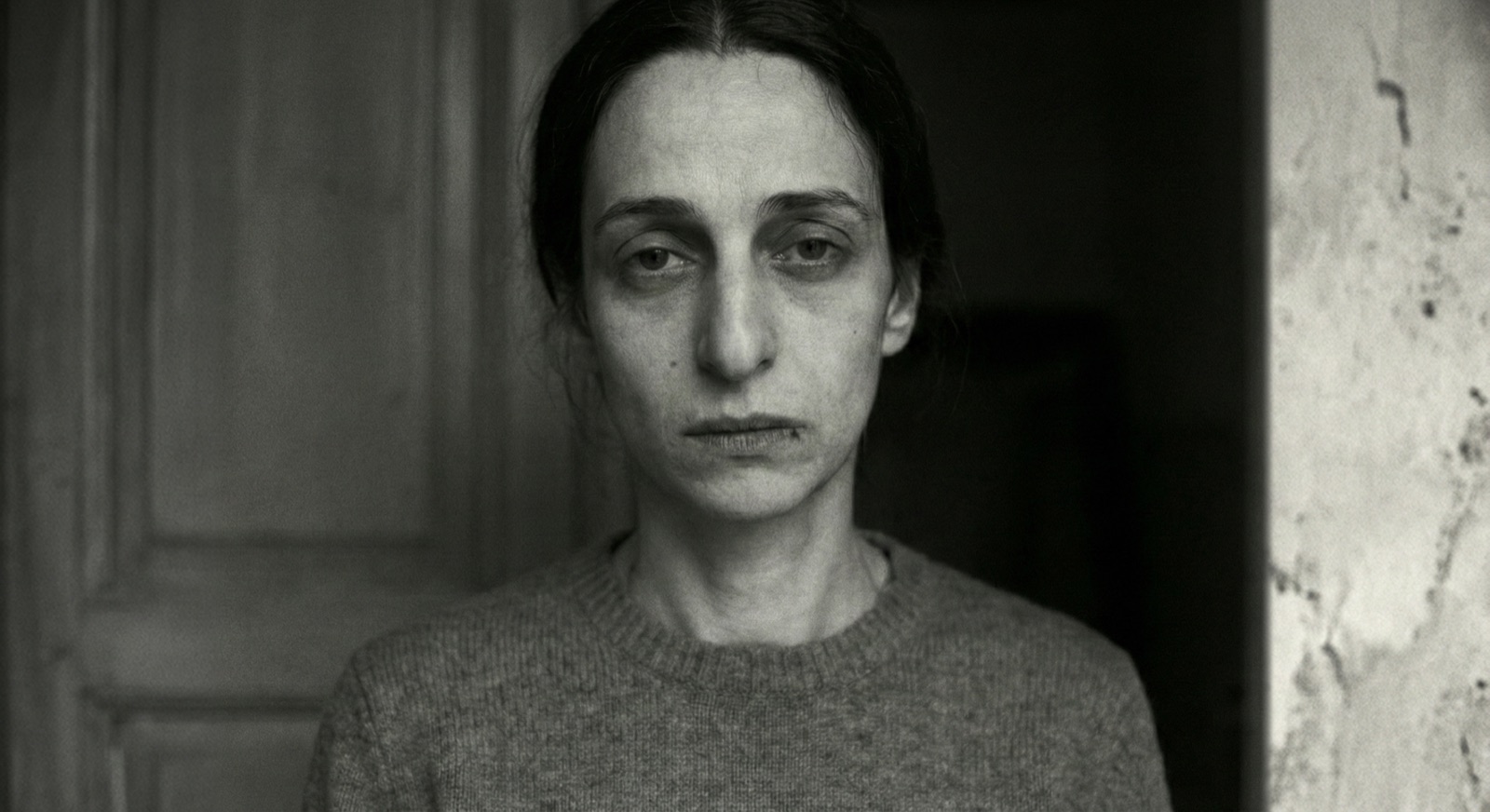
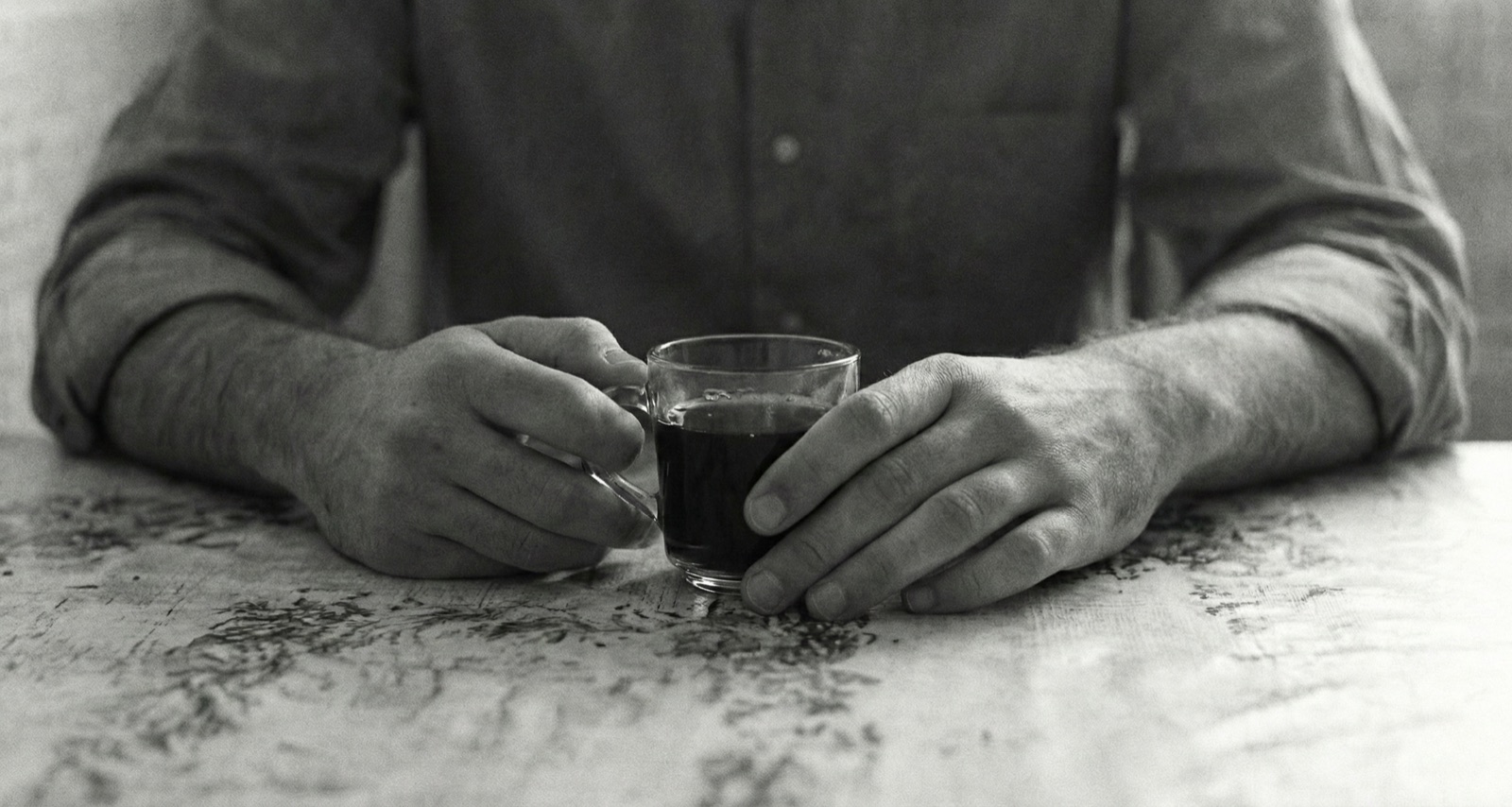
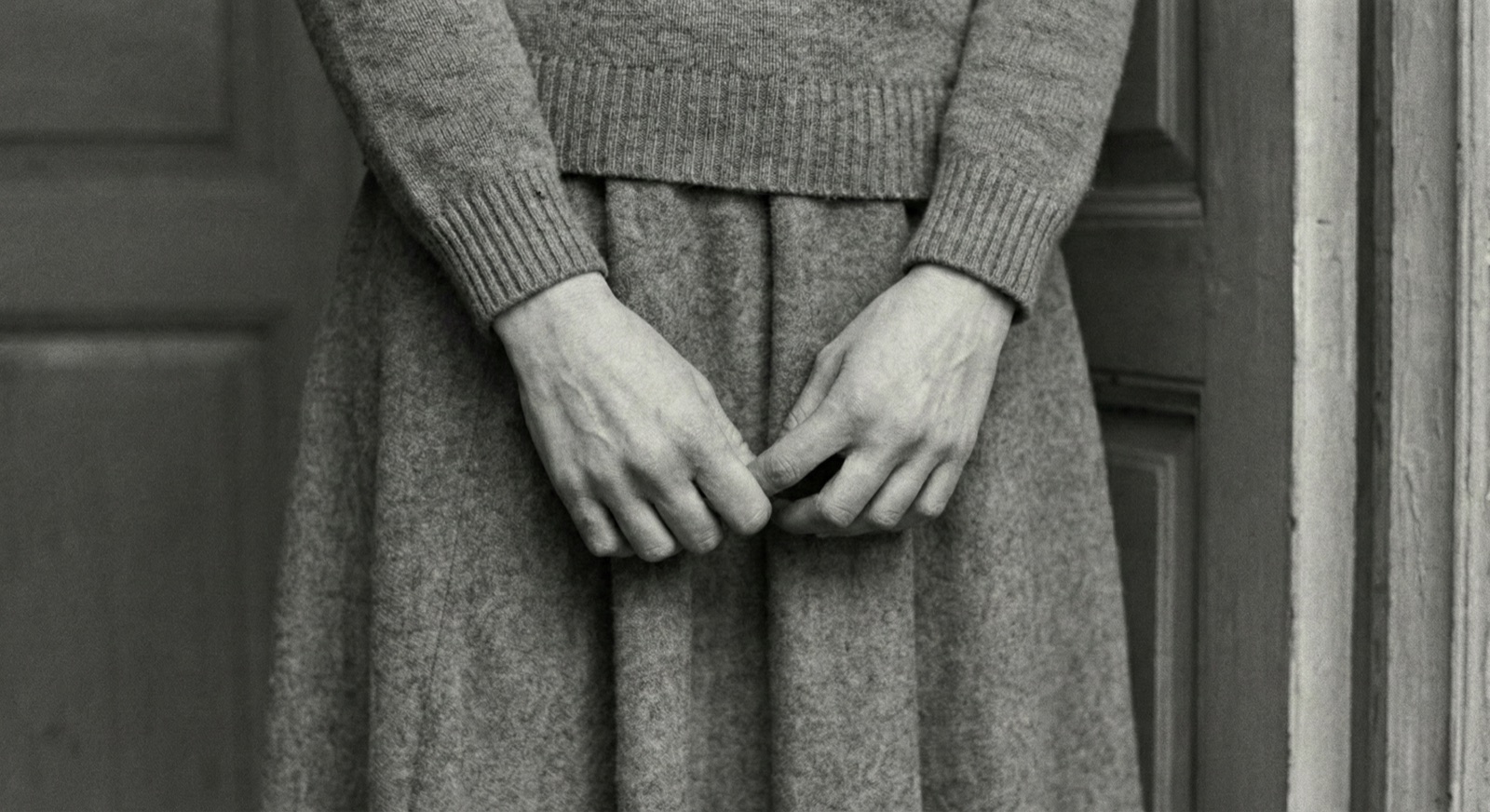
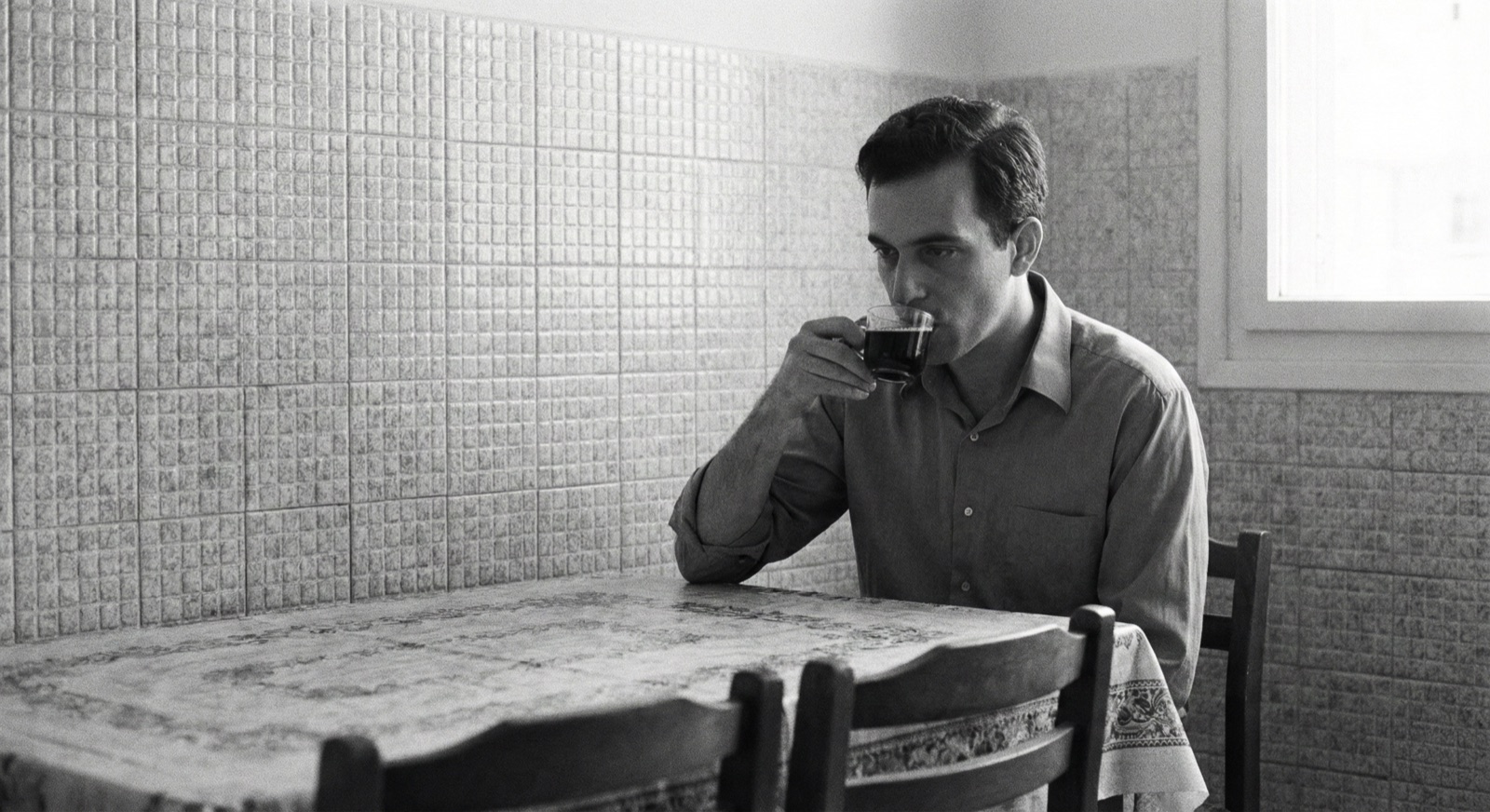
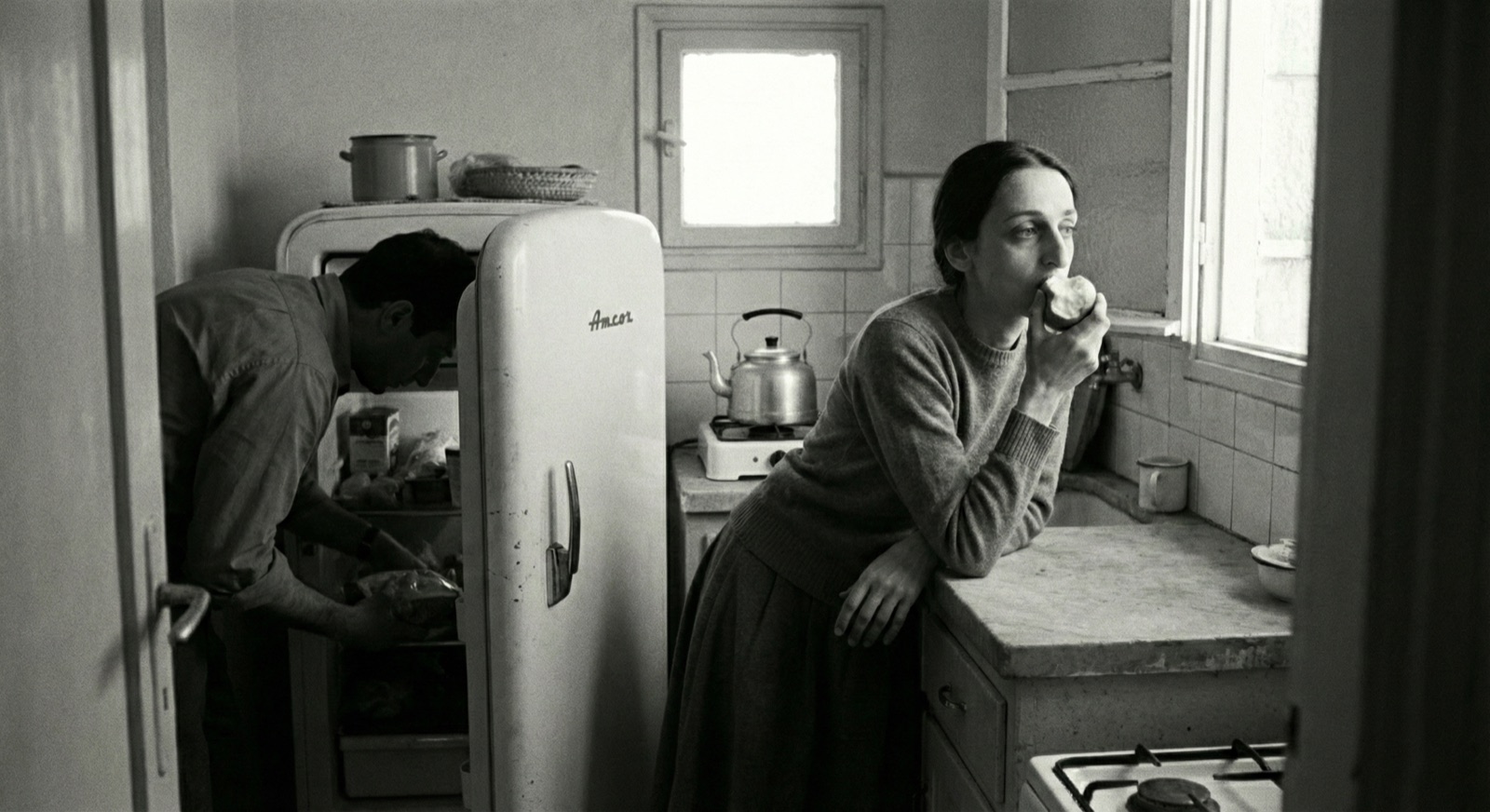
Grey, closed-in Jerusalem. No prompt files — the book was read together with the model, and every frame was directed in conversation, like talking to a set photographer on location in 1958.
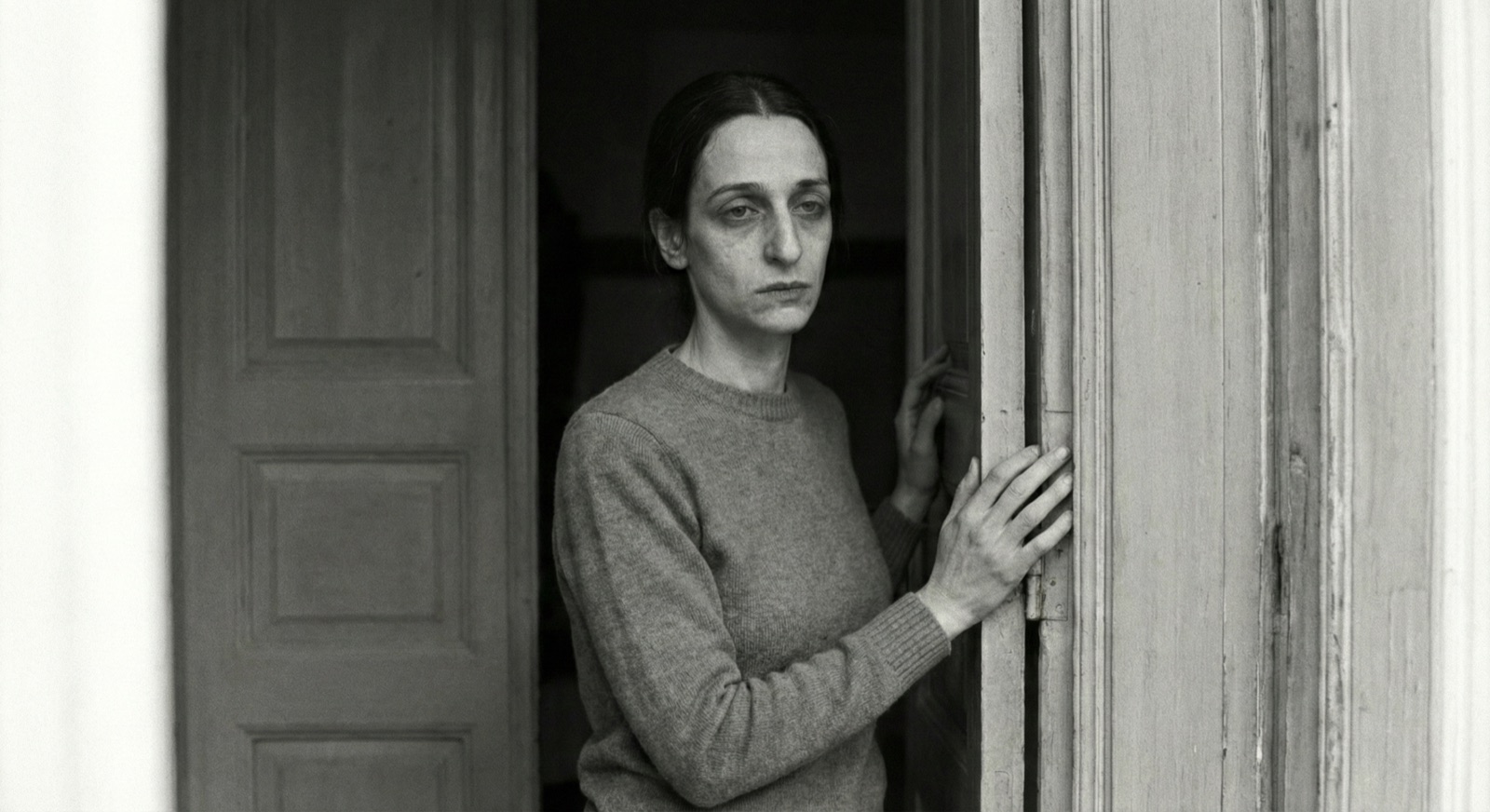
me › That's exactly the style I want. Intimate photography on a small film camera — grainy black-and-white, low contrast, slightly overexposed. The whole atmosphere is the 1950s.
hover / tap the frame — the direction that made it appears
#05
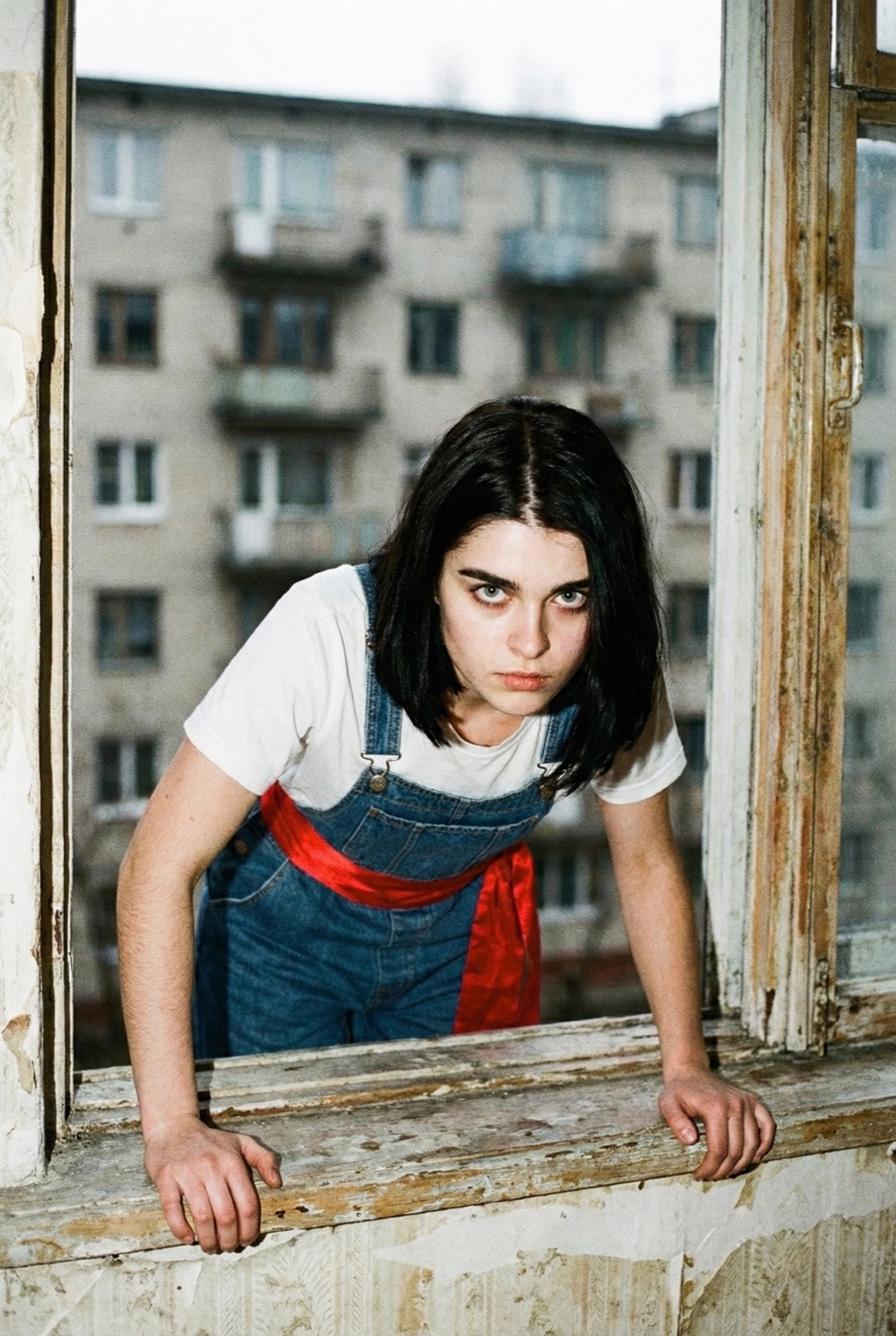
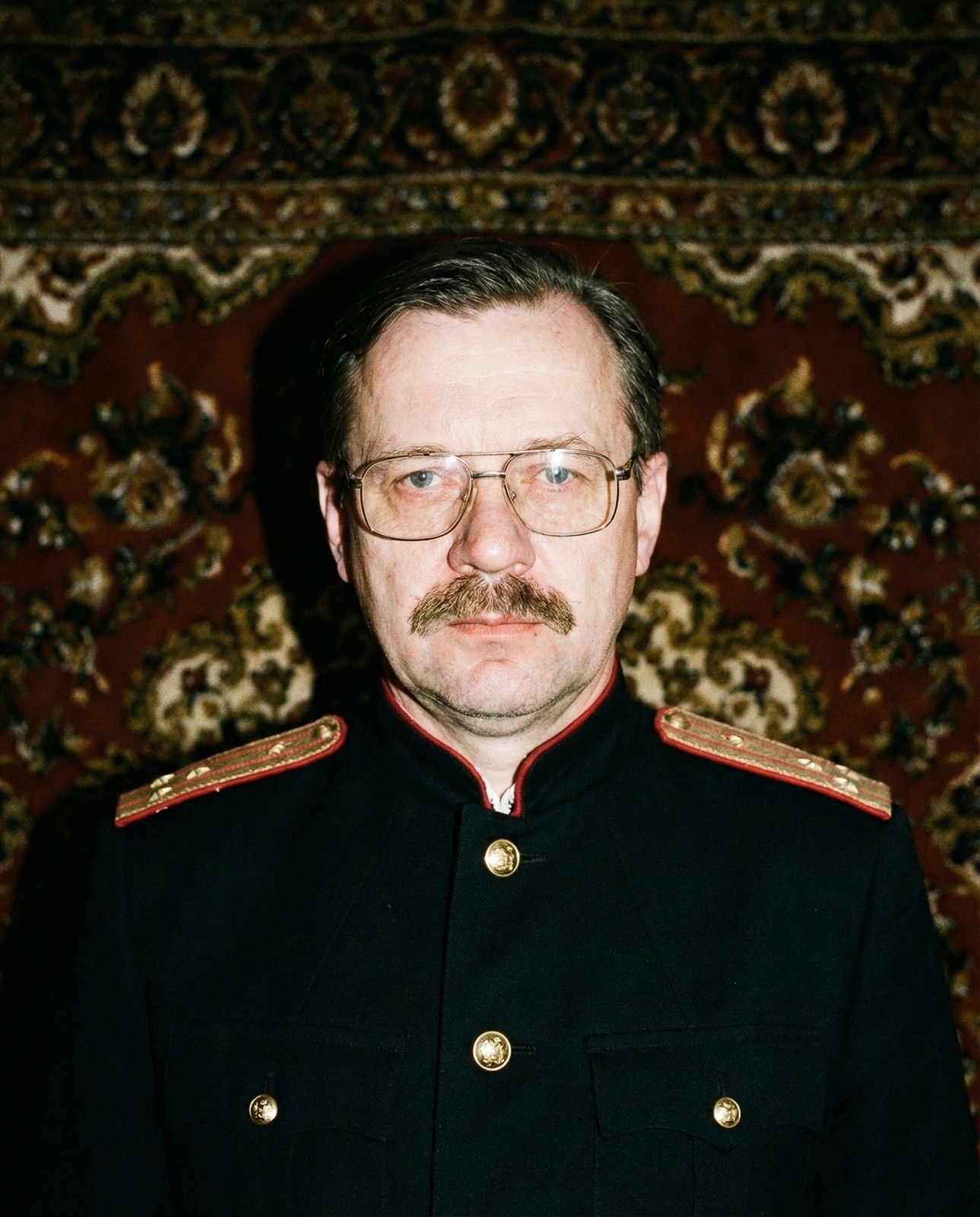
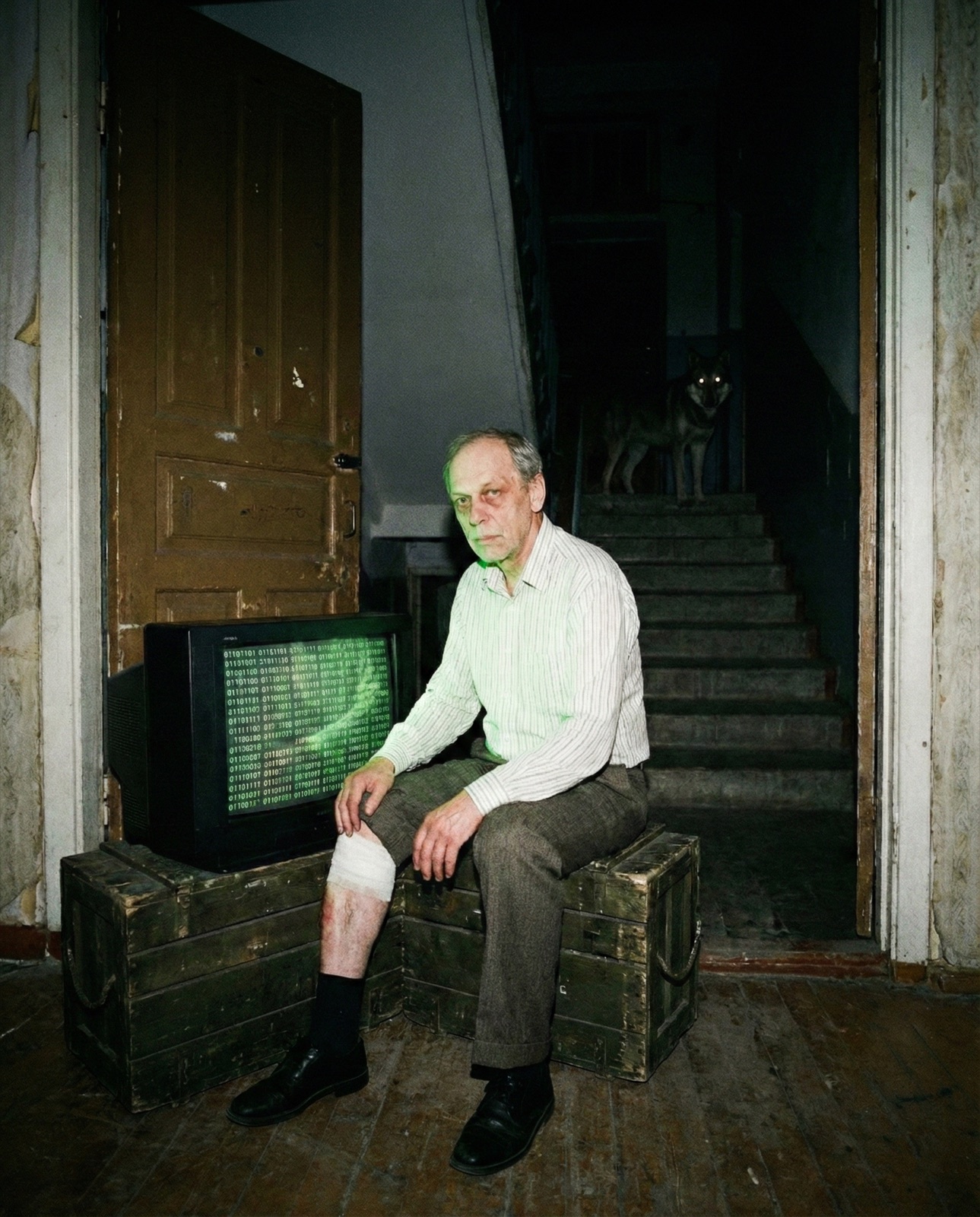
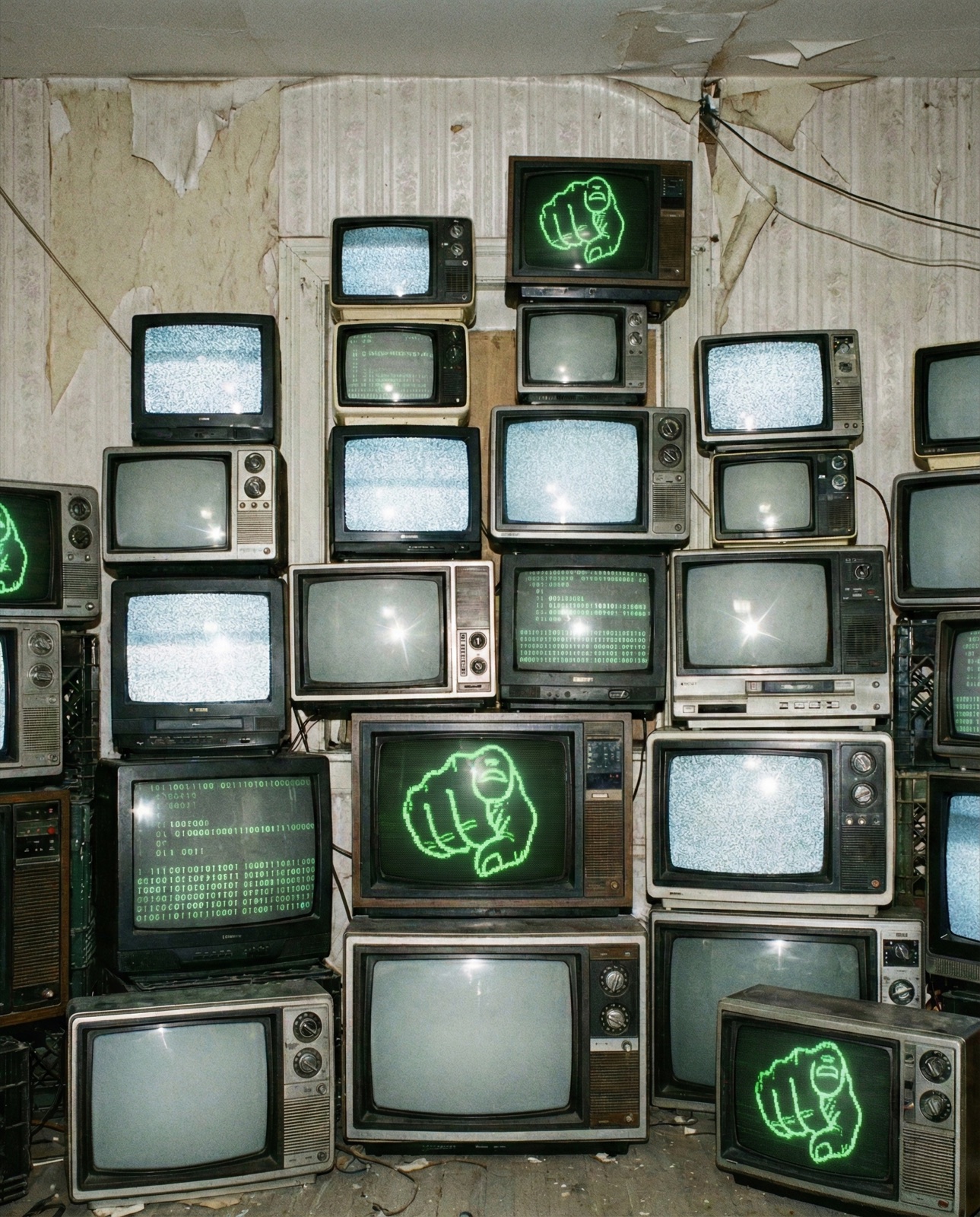
One master frame with all four characters — then each one pulled out of it for their own portrait, the world growing scene by scene.
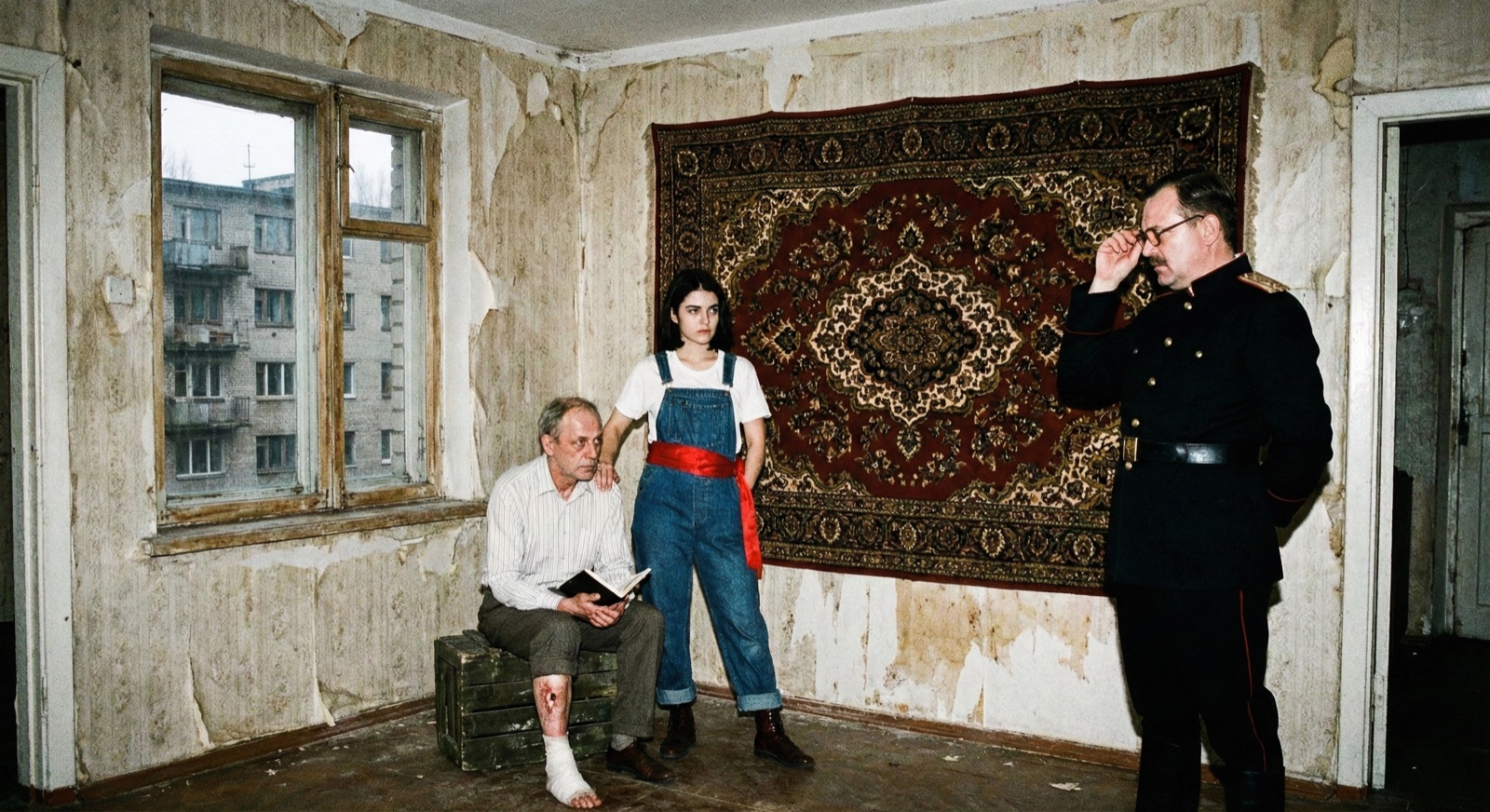
me › All four characters. Dystopian, like film photography from 1984 — heavy grain, high contrast, direct flash. An abandoned Soviet building, an ornamented rug on the wall. 50mm lens.
me › Now take the character on the right — a 4:5 portrait, the rug behind them.
hover / tap the frame — the direction that made it appears
Exit
Prompts, agents, workflows — and the judgment to know when the frame is right.